Reykjavík
~140KThe capital and largest city. Restaurants, museums, bars, the airport rhythm — most routes start here.
A complete Iceland guide: volcanoes, glaciers, waterfalls, black beaches, thermal water and northern lights. Everything I would want you to know before your first road trip.
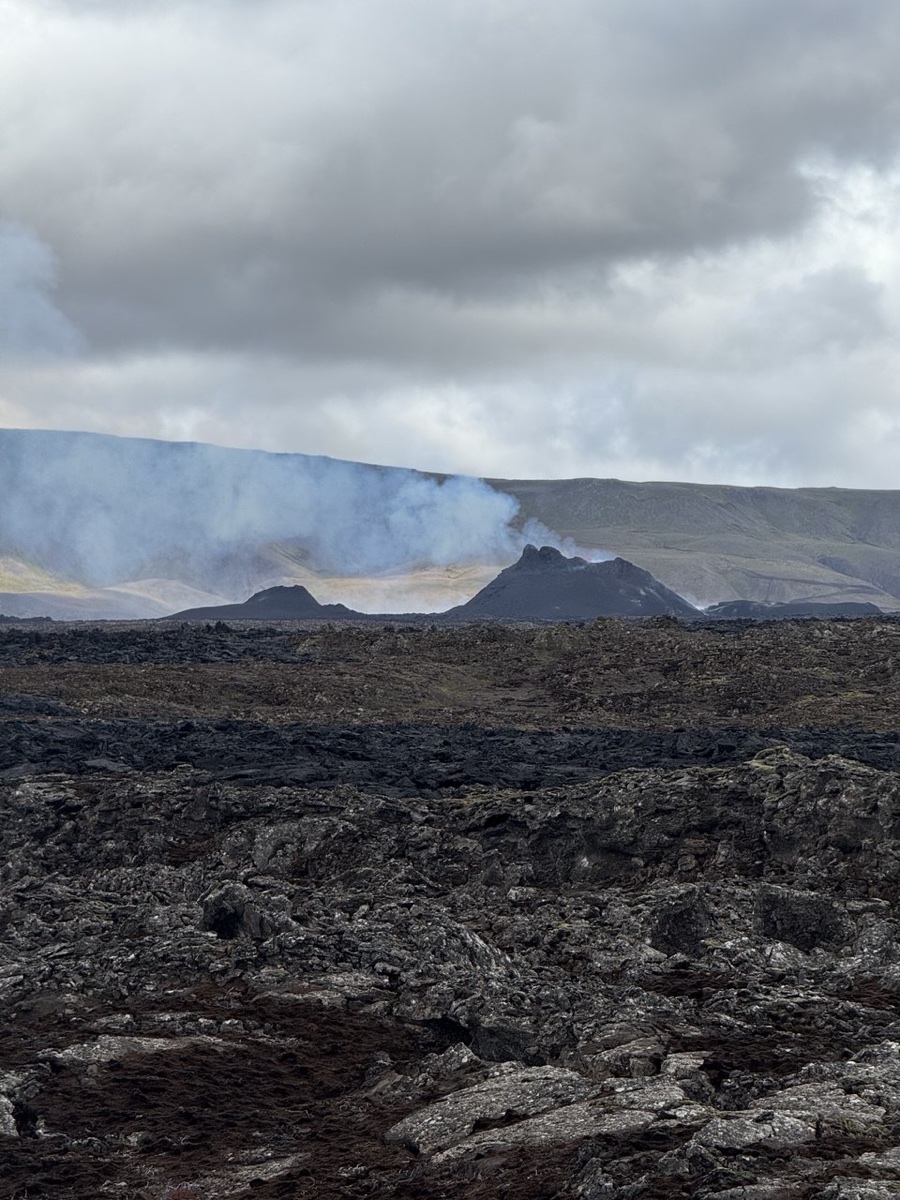
Iceland is an island nation in the North Atlantic, sitting on the meeting point of tectonic plates. Only around 400,000 people live here, and between towns there can be hundreds of kilometres of pure nature.
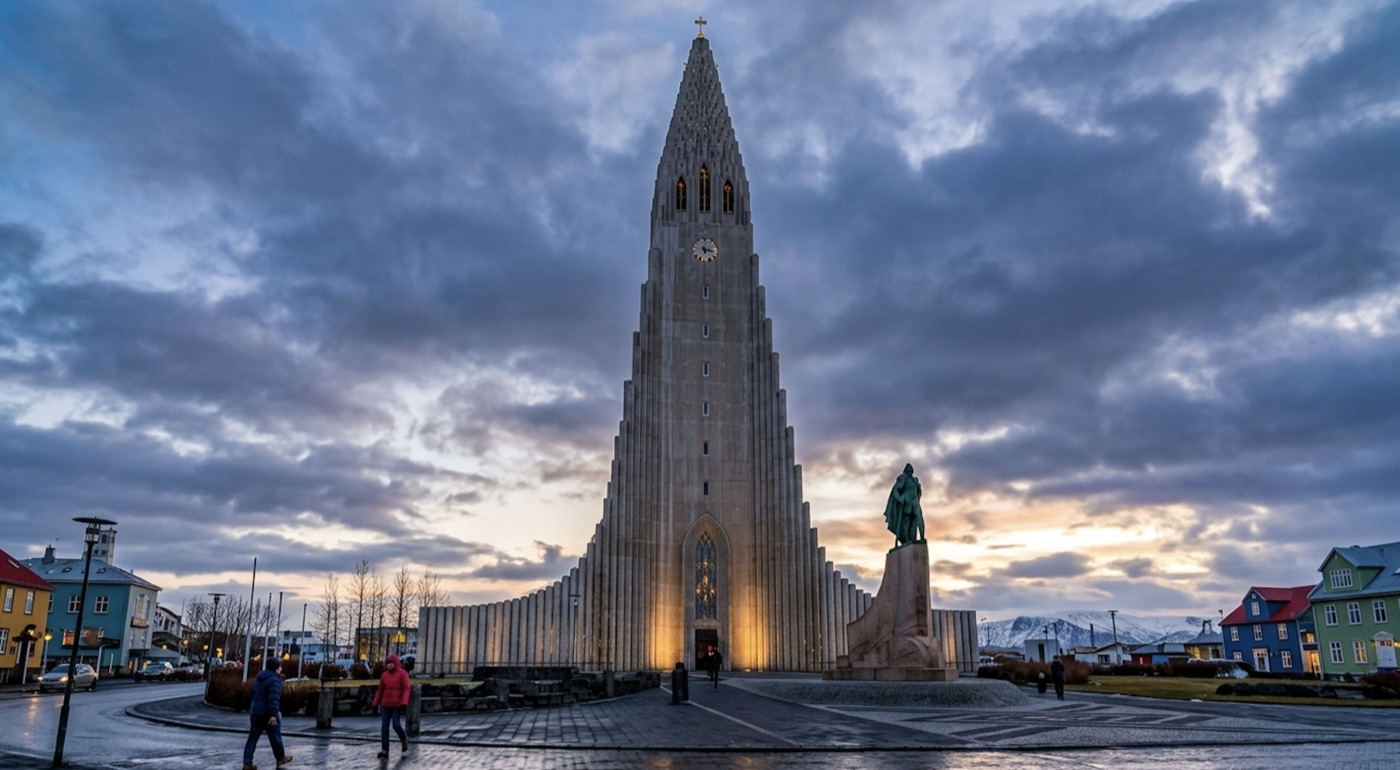
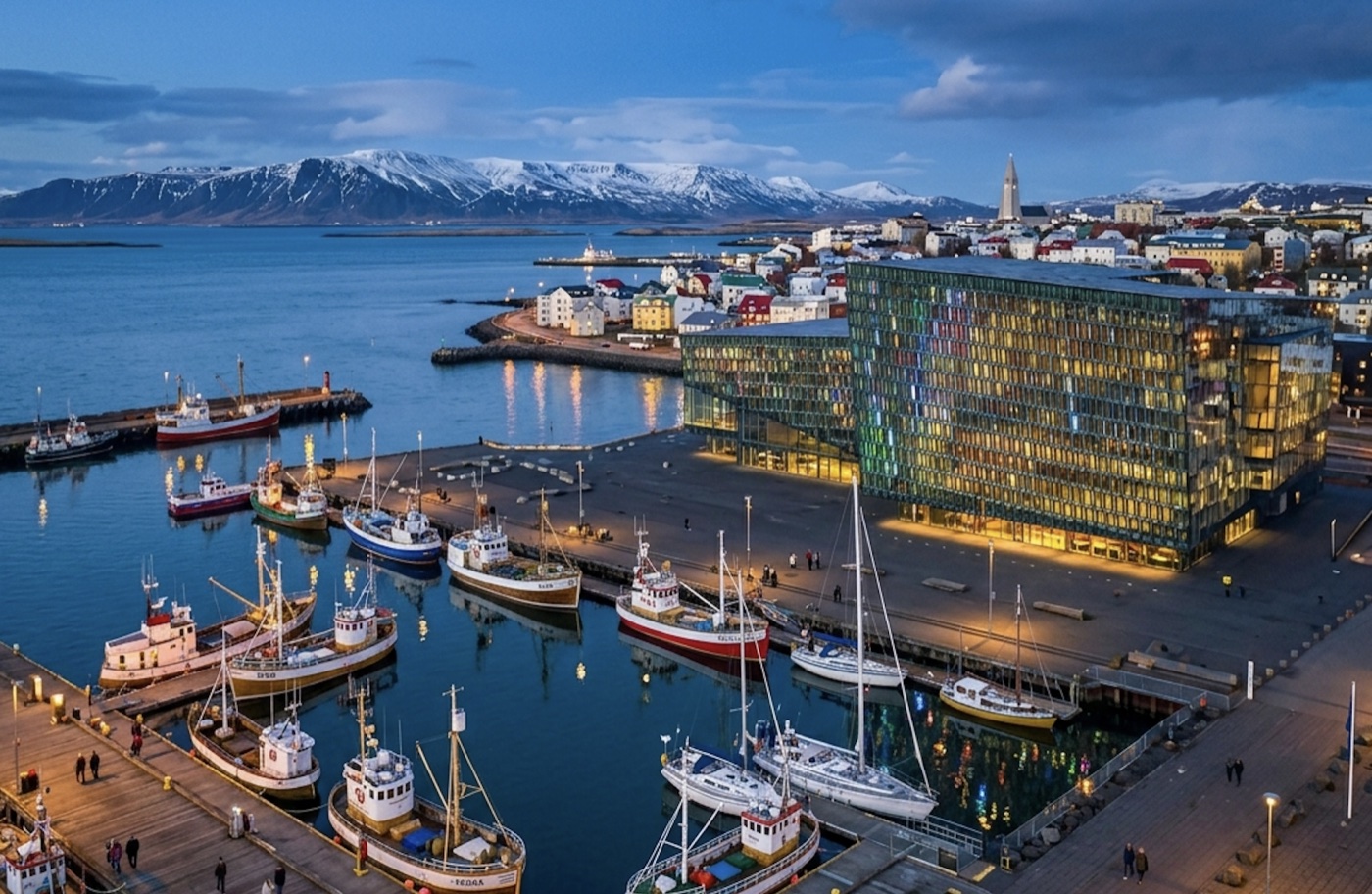
The capital and largest city. Restaurants, museums, bars, the airport rhythm — most routes start here.
The second-largest city, practically a calm residential neighbour of Reykjavík.
A small harbour town near the capital, with lava fields, quiet streets and elf legends.
The “capital of the north” and the main base for whale watching and northern fjords.
Most of the country is not inhabited at all. Many settlements are villages of 100 to 1,000 people. That is why Iceland feels so wild and open: nature is bigger than everything else here.
The real force here is wind. Even in summer, pack a waterproof jacket, fleece and proper trekking shoes.
Icelandic weather comes in layers: sunshine, rain, wind and snow can all happen within one hour. Wind usually matters more than the number on the thermometer, so dress in layers.
In winter, temperatures can drop to −20 … −30 °C and below, especially inland and in the north. The coast is milder, but strong wind can make the day feel much colder.
The local currency is the Icelandic króna (). A rough rate is 1 € ≈ 143 ISK. When a terminal asks, pay in ISK rather than euros.
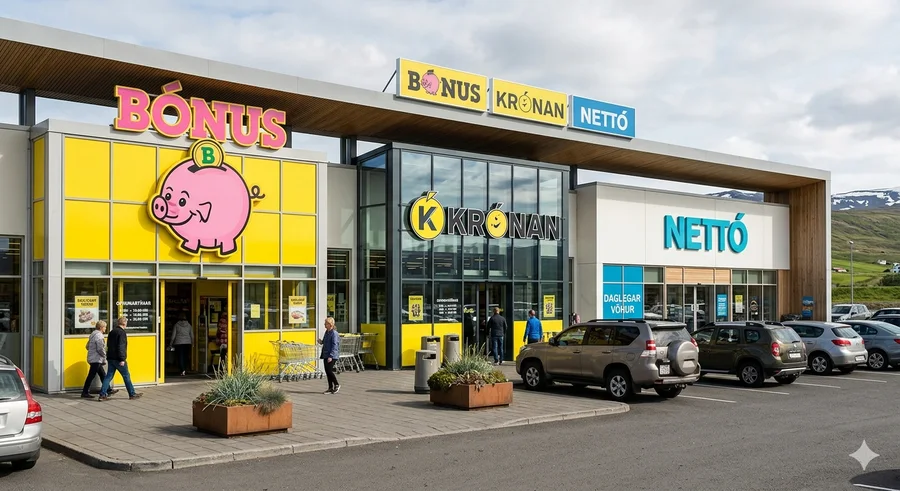
Buying food in supermarkets is completely normal, even for locals. Bónus, Krónan and Nettó are road-trip lifesavers: ready meals, soups, microwaves and everything for simple food on the road.
Apple Pay and Google Pay work very well. You rarely need cash. At automatic fuel stations, a temporary deposit can be blocked on your card; that is normal and the unused amount returns.
A rich lamb-and-vegetable soup, perfect after the first cold walk.
Reykjavík and Vík serve some of the best versions in the North Atlantic.
A northern lake fish, softer and more delicate than salmon.
A local dairy staple, somewhere between yogurt and soft curd.
The country’s most famous quick bite — the classic stop is Bæjarins Beztu.
Fermented shark. It smells of ammonia and is more of a food story than an everyday snack.
Public transport outside the capital is limited. A road trip is by far the best way to travel here.
South coast + . Most postcard places are reachable and the logistics stay easy.
Mountain roads and . Open only in summer. Without an approved , do not go.
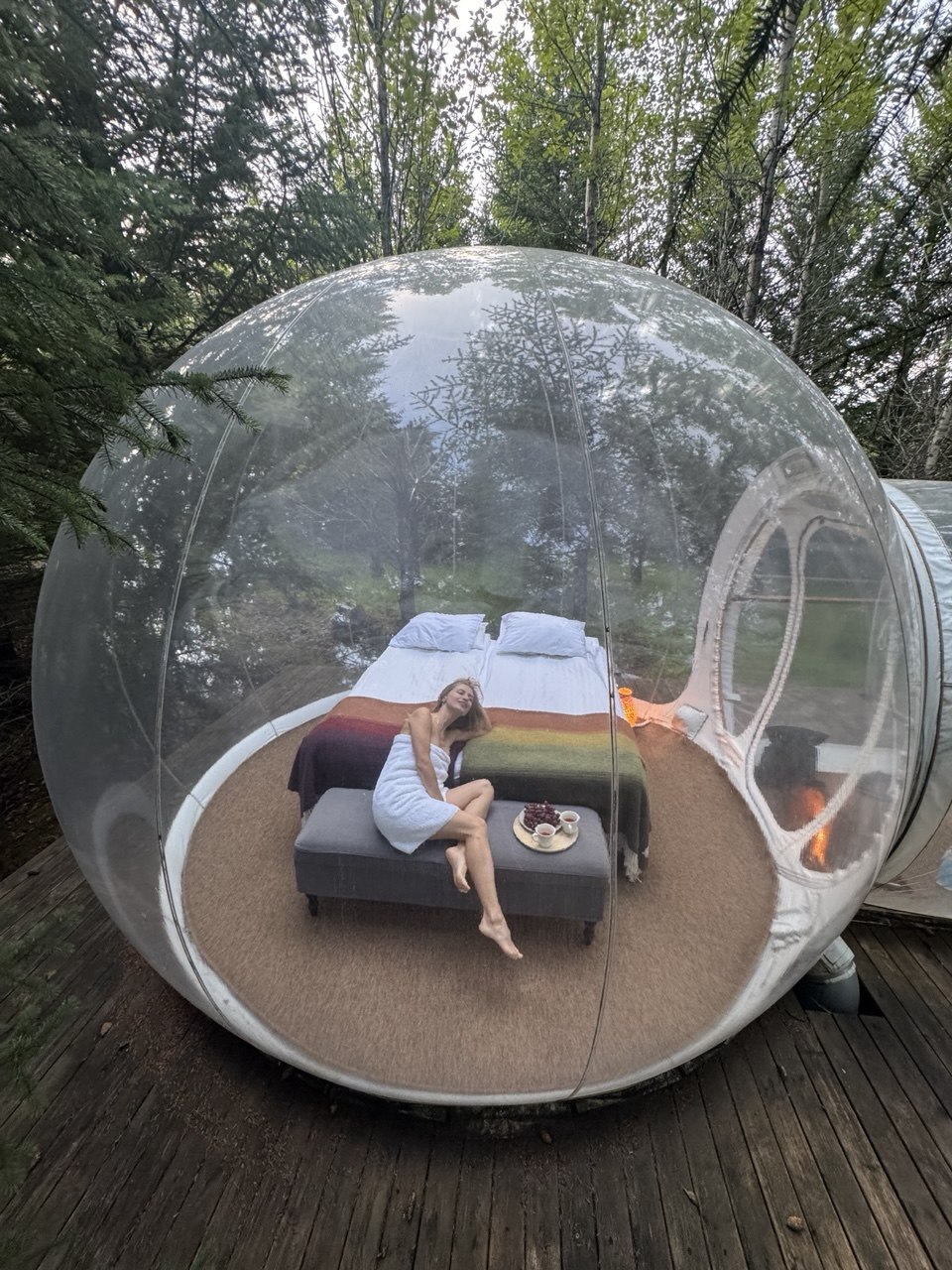
Transport and accommodation in one. Beautifully atmospheric, but overnight stays belong in official campsites.
Cosy, warm and expensive. In summer, book early.
Hotel Selfoss📍 Eyravegur 2, 800 Selfoss
€€€Freedom plus a bed. A very atmospheric way to do the .
€€Cheap and beautiful, but the ground is cold. Bring a proper sleeping bag.
Vík Camping📍 Klettsvegur 7, 870 Vík
€South coast + . The famous places without very long driving days.
is the main loop road: a full circle around the island.
Locals go to pools all year, even in winter and even in snow. Before entering, you shower properly without swimwear.
The country’s most famous : milky-blue 37–39°C water surrounded by lava fields.
An infinity-edge pool facing the ocean. A modern alternative to Blue Lagoon.
The oldest pool in the country, in Flúðir. Cheaper, simpler and more local.
Season: September to March. The best conditions are away from towns and often in the north.
The farther you are from street lights, the stronger the colours appear.
Check cloud cover on vedur.is. Clouds decide everything.
Aurora forecast: Kp 3+ already gives you a chance, 5+ can be strong.
The aurora breathes: it can fade for an hour and then suddenly return.
Most Icelanders do not have family names in the usual sense. A name is often built as name + son / dóttir — “son of” or “daughter of”.
That is why phone books are sorted by first name, not by surname.
Put it together well, and you get a perfect first road trip through Iceland.
In the guide, these words have a fine underline. Tap one whenever you want the quick explanation.
Icelandic mountain roads in the Highlands: gravel, stones, steep sections and sometimes river crossings.
You need a rental car that is explicitly allowed on F-roads, usually a 4×4. It still does not mean you can drive off the road.
Driving outside an official road: over moss, lava fields, sand or simply “straight across”.
In Iceland it is forbidden because the landscape recovers extremely slowly. Even one tyre track can stay visible for years.
Four-wheel drive. It handles gravel, climbs and rougher roads better.
For the Highlands and F-roads, an approved 4×4 is usually required, but insurance rules and road restrictions still apply.
A regular car without four-wheel drive, good for paved roads and easy summer routes.
Fine for Reykjavík, the Golden Circle, the south coast and parts of the Ring Road in summer. F-roads are normally off limits.
The main road that loops around Iceland.
The classic full route takes 7–14+ days: south coast, east fjords, the north, Mývatn, Akureyri and back to Reykjavík.
The classic short route close to Reykjavík.
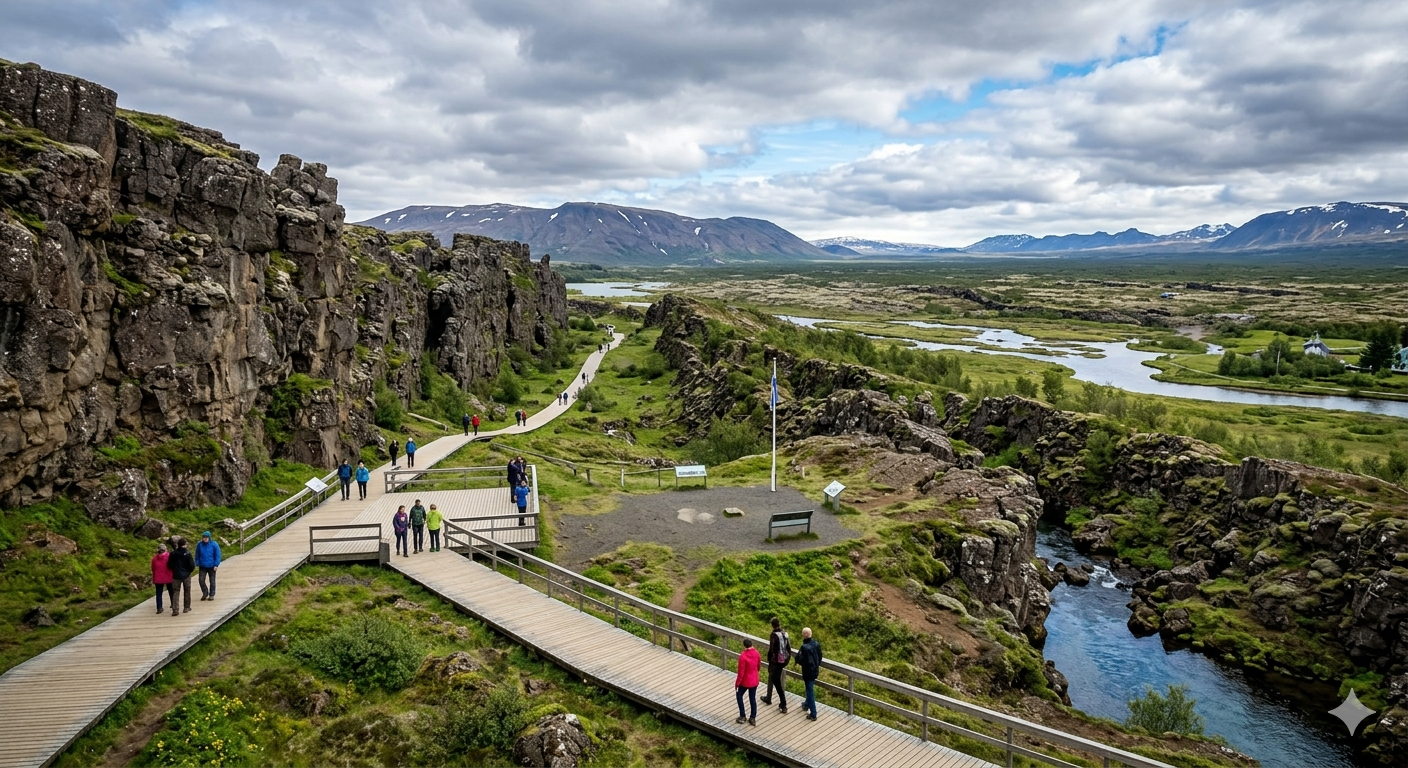
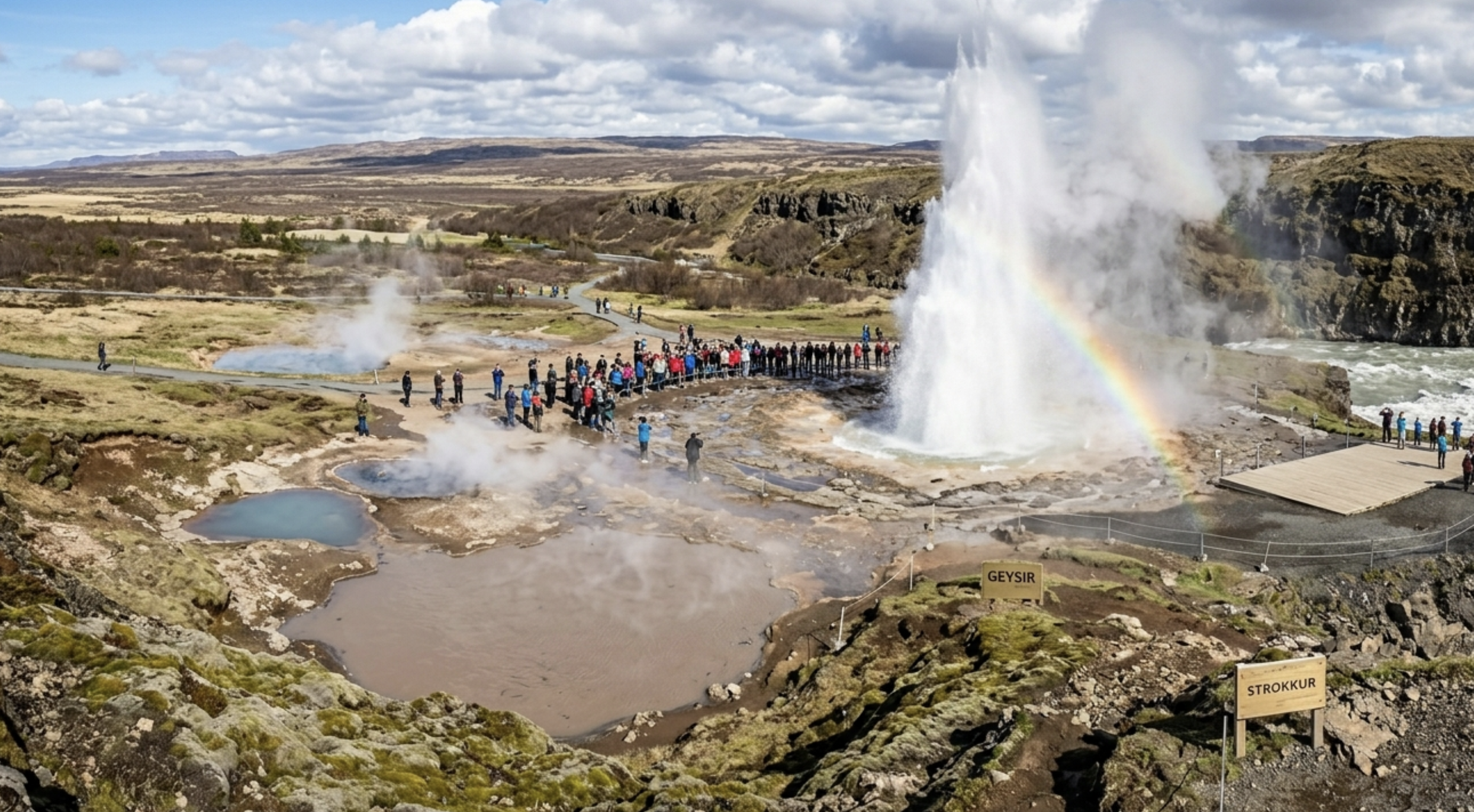
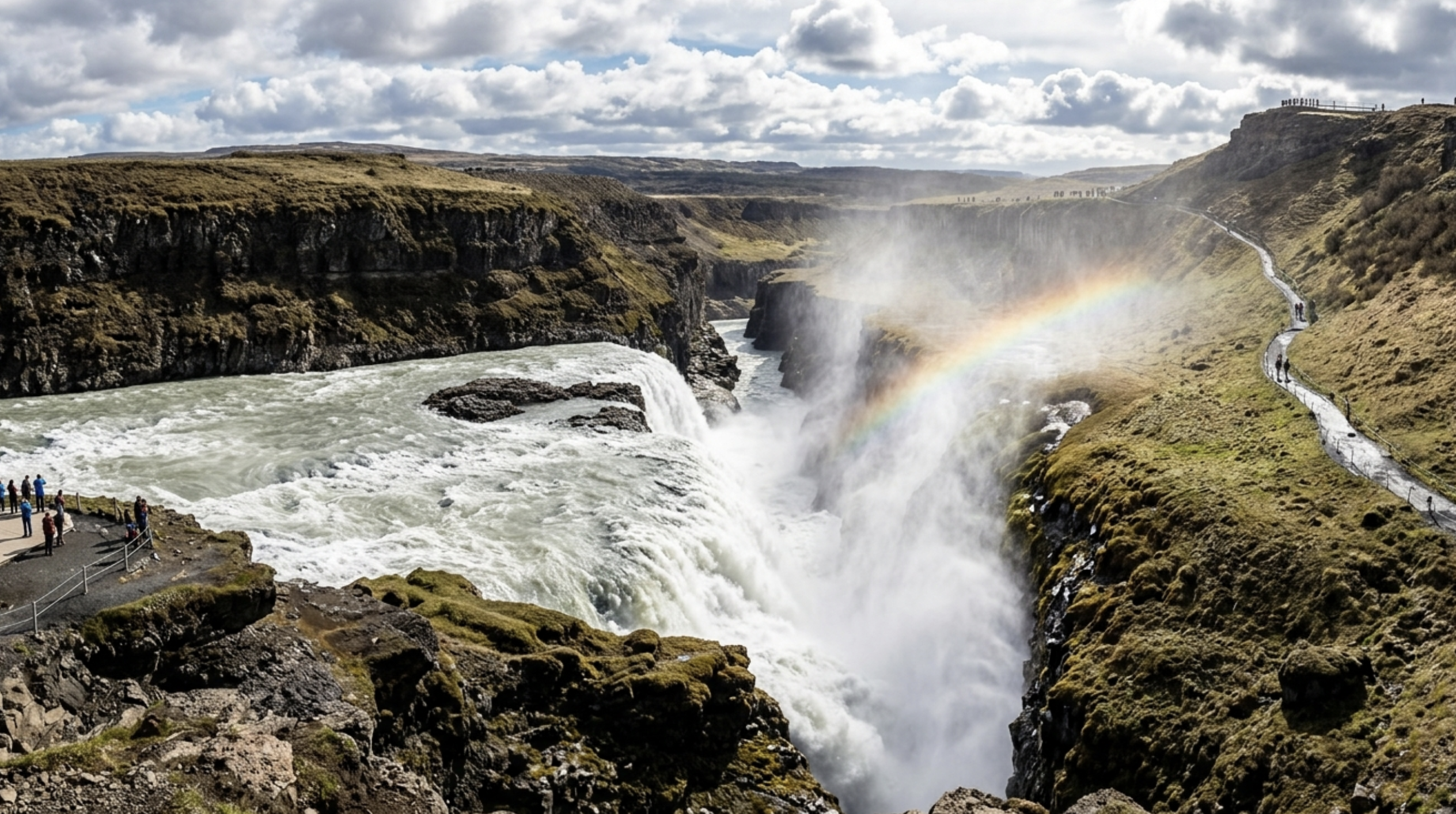
Usually Þingvellir, Geysir / Strokkur and Gullfoss. It is the easiest first taste of Iceland.
A practical first-time route: Golden Circle plus the south coast.
Not an official term, just a useful 3–6 day format with the main sights, less driving and simpler logistics.
A full lap around the island on the Ring Road, usually 7–14+ days.
Adds the east fjords, the north, Mývatn, Akureyri, Snæfellsnes and a wilder side of Iceland.
Iceland’s wild interior: beautiful, remote and much more demanding to drive.
Usually accessible only in summer. Expect F-roads, 4×4 rules, road.is checks and very changeable weather.
A vehicle you can drive and sleep in.
It gives a lot of freedom, but overnight stays belong in official campsites. Wild camping is heavily restricted.
A point where the road crosses a river without a bridge.
Before crossing, you need to assess depth, current and rental rules. Many insurances do not cover this risk.
Road surface or shoulder covered in small stones.
Gravel can damage glass and bodywork, so gravel protection is worth checking even for a normal route.
Icelandic króna, the local currency.
Cards work almost everywhere. If a terminal asks for a currency, paying in ISK is usually better than paying in euros.
Paying by card, Apple Pay or Google Pay.
It works almost everywhere in Iceland: cafes, fuel stations, parking, shops. Cash is rarely needed.
In Iceland guides, often a geothermal pool or hot-water spa.
Blue Lagoon and Sky Lagoon are managed bathing places. Natural hot springs can be different and need more caution.
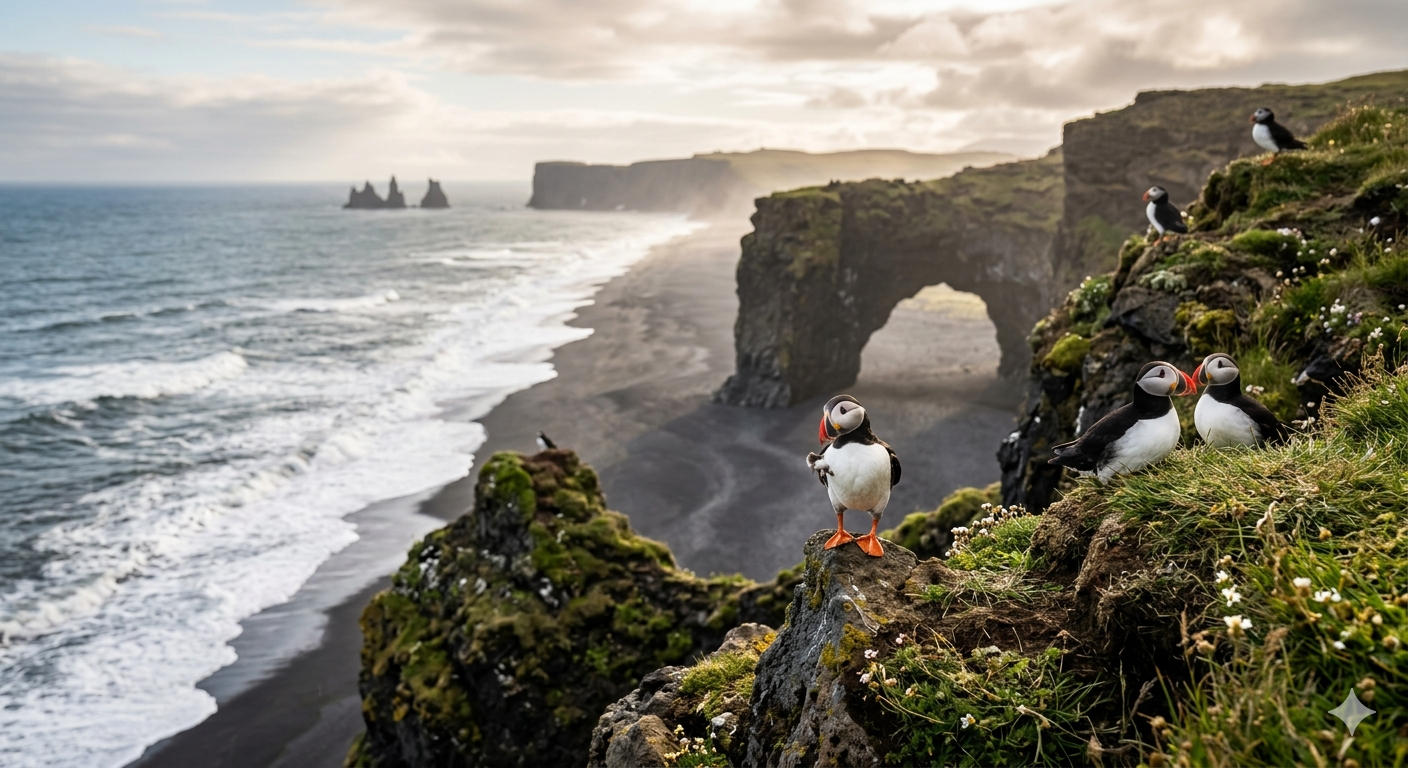
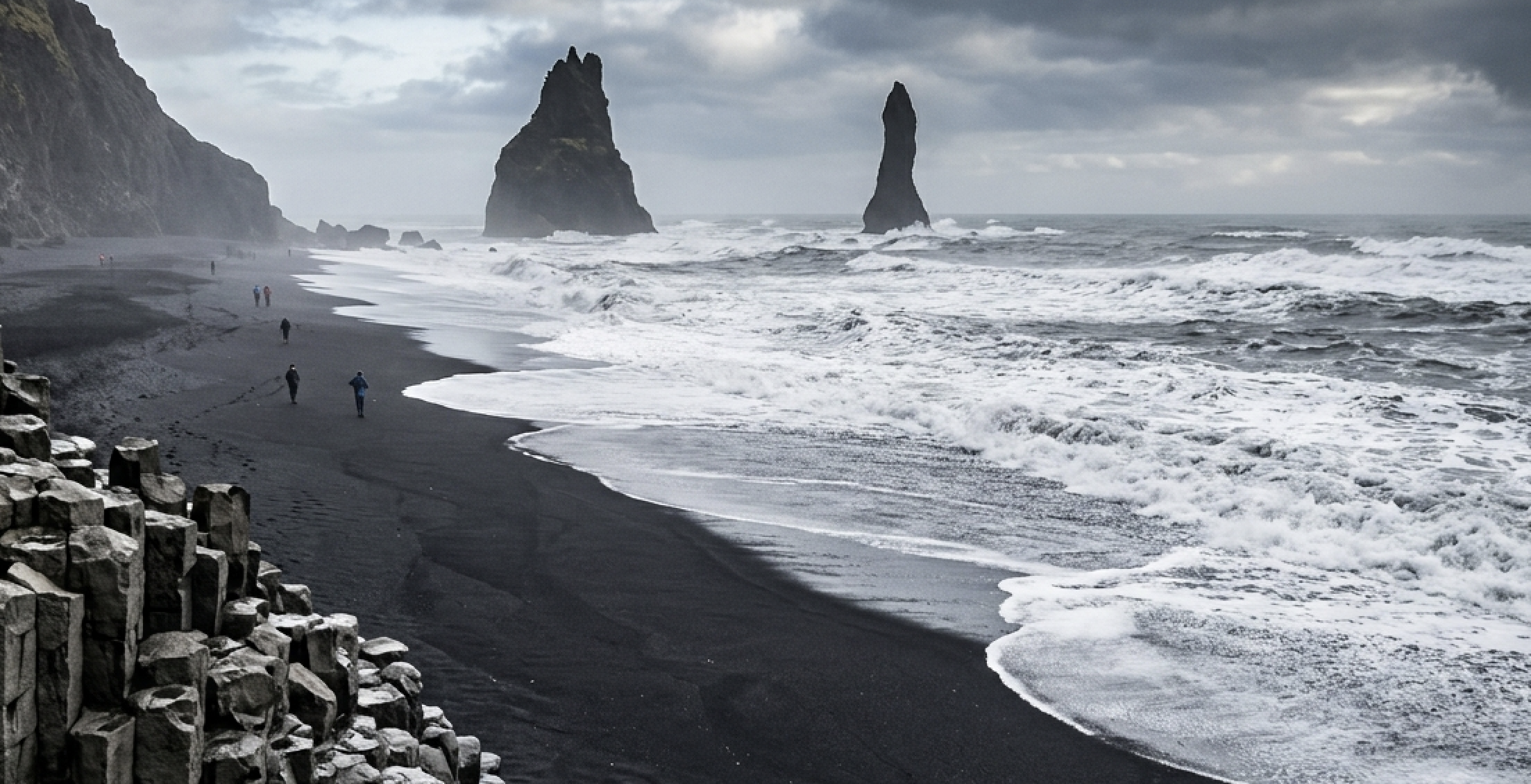
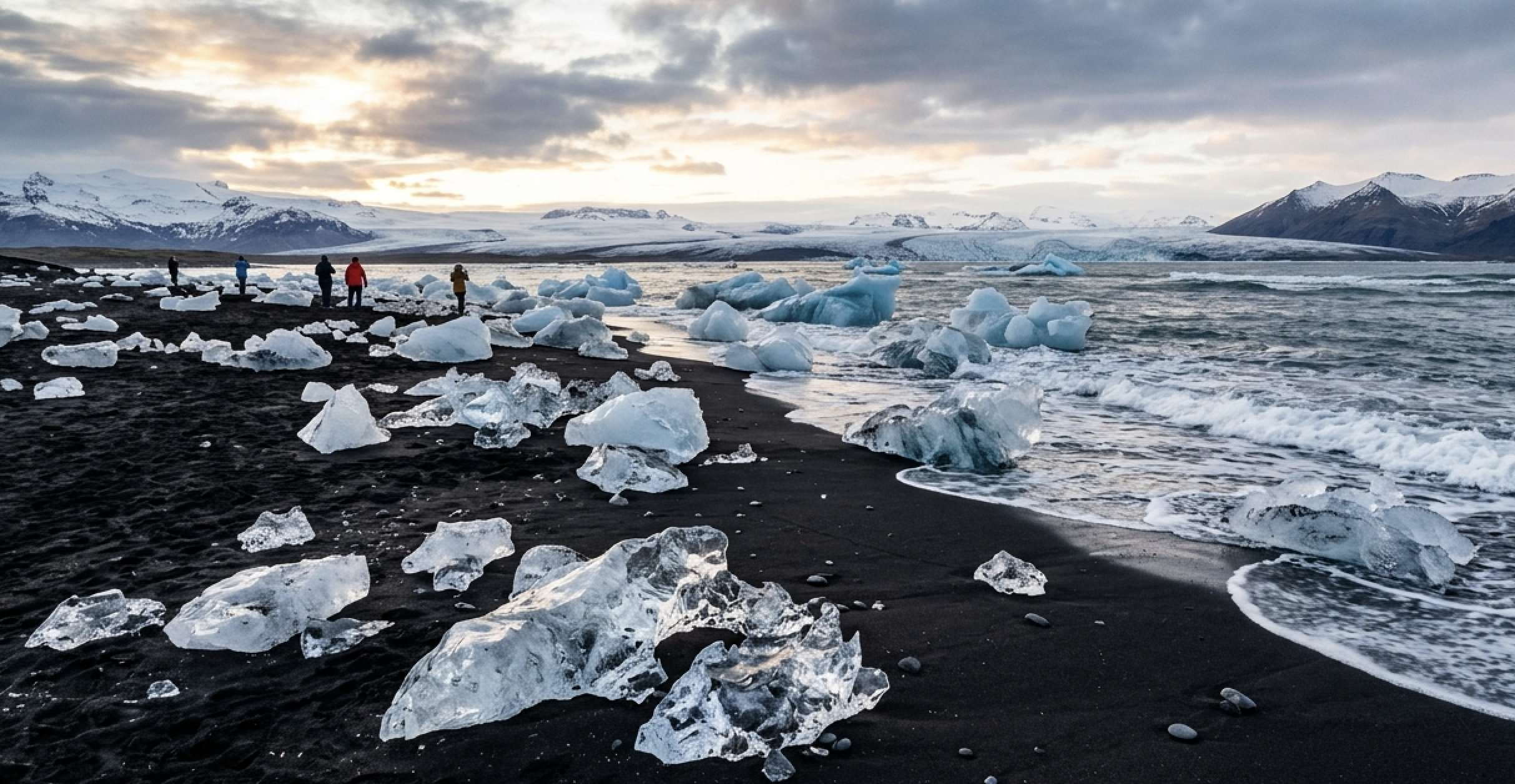
A beach made of volcanic black sand.
At Reynisfjara, sneaker waves can appear suddenly. Do not stand close to the water even when the sea looks calm.
Aurora borealis: glowing ribbons and flashes across the sky.
You need darkness, low cloud cover and solar activity. The best season is roughly September to March.
Next comes the around Iceland: the east fjords, Mývatn, Akureyri, Snæfellsnes and another 5–10 days on the road.
I will announce the continuation or a second part of the guide on Instagram. Follow along so you do not miss it and to support new routes.