日本
Ultimate Edition · 2026

The complete guide to Japan

Tokyo · Kyoto · Nara · Osaka · Fukuoka · Okinawa

If you’ve never been to Asia, start with Japan. A country where ultra-modern cities and thousand-year-old temples stand side by side without ever feeling at odds.

Start here
日本 · Anhelina ChemerysAll guides
  • 一Overview
  • 円Money
  • 駅Transport
  • WiInternet
  • 車Car rental
  • 食Konbini · food
  • 日Daily life
  • 買Shopping
  • 礼Culture
  • 便Facts · luggage
  • 予Booking
  • 旅Route
  • 東京Tokyo
  • 京都Kyoto
  • 奈良Nara
  • 大阪Osaka
  • 福岡Fukuoka
  • 沖縄Okinawa
  • 言Phrases
日本01 · The big picture

Japan — a country of contrasts

Ultra-modern cities of neon and skyscrapers, with thousand-year-old temples just a few minutes’ walk away. Trains that arrive to the second — and tea ceremonies that last for hours.

Why it’s the perfect first trip to Asia

  • safety
  • organisation
  • cleanliness
  • respect for travellers
  • incredible variety

Japan doesn’t ask you to be a seasoned traveller. It welcomes you gently — which is exactly why so many people choose it as their first serious trip to Asia.
When to visit

Each Japanese season has a character of its own. The cards below are a quick look at what to expect.

春

Spring

March – May

  • cherry-blossom season (March – April)
  • comfortable temperatures in May
  • the most popular time to visit
夏

Summer

June – August

  • hot and humid
  • festival season
  • the beaches of Okinawa
  • rainy season in June
秋

Autumn

October – November

  • red momiji maples
  • one of the best seasons
  • comfortable temperatures
冬

Winter

December – February

  • dry and sunny in Tokyo
  • snow in the north
  • onsen and ski season
円02 · Currency, payments, money

Japanese yen (JPY)

Japan is still very much a cash country. In big cities, cards work almost everywhere, but small cafés, temples and markets are often cash-only.

approximate rate
1 € ≈ 180–190 ¥

You’ll need cash for

  • metro tickets (especially local lines or older machines)
  • transport ticket vending machines
  • small restaurants
  • temple donations and entrance fees

Paying by card

  • Visa / Mastercard work in cities and chain venues
  • Apple Pay / Google Pay are slowly spreading
  • relying on card alone is risky

The most reliable ATMs are 7-Eleven and Japan Post Bank — both handle foreign cards smoothly.

新幹線03 · Transport

Among the best in the world

The first day or two can feel overwhelming because of the sheer number of lines and operators. There is no single hub: the metro, private railways and city lines all belong to different companies.

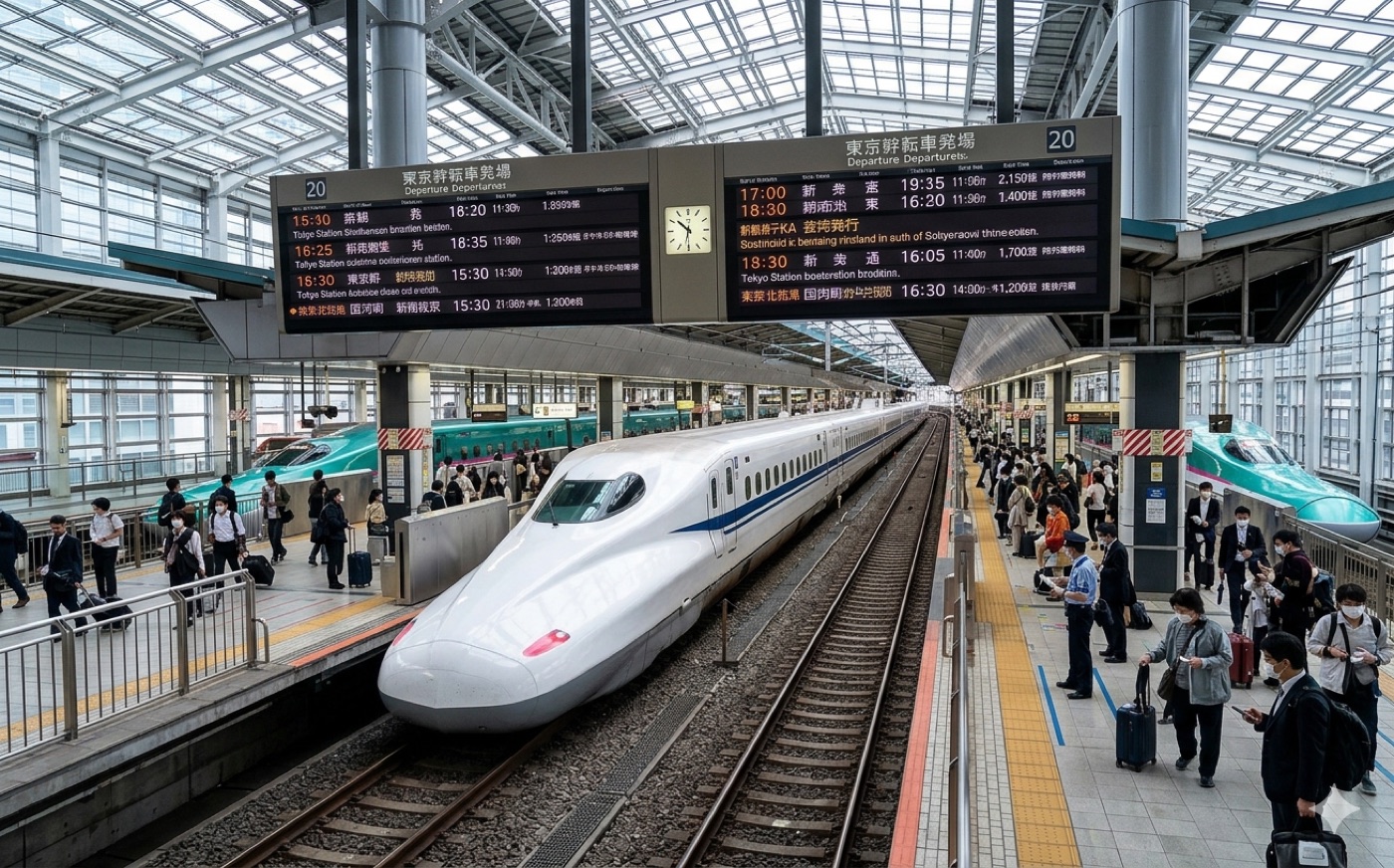
A Shinkansen at the Tokyo Station platform with a departure board overhead

Shinkansen — the bullet trains

up to 320 km/halmost surreal punctuality

Main routes:

  • Tokyo → Kyoto · ~2 h 15 min
  • Kyoto → Osaka · 15–30 min
  • Tokyo → Osaka · ~2 h 30 min

🎫 Shinkansen tickets

Where to buy:

  • at stations (vending machines or counters)
  • online (JR services and official sites)
  • through travel platforms

Worth knowing:

  • tickets are tied to a specific route and date
  • with a non-reserved or flexible ticket, you can often board a different train on the same day

Two seat types:

  • Reserved – assigned seat
  • Non-reserved – open seating

Useful details

  • On the Tokyo → Kyoto/Osaka route, Mt. Fuji appears on the right-hand side about 40–50 minutes after leaving Tokyo (weather permitting). Going the other way, it’s on the left.
  • Seats actually rotate: before departure, conductors or cleaners spin them to face the direction of travel so passengers always face forward. You can do it yourself too — there’s a pedal under the seat.
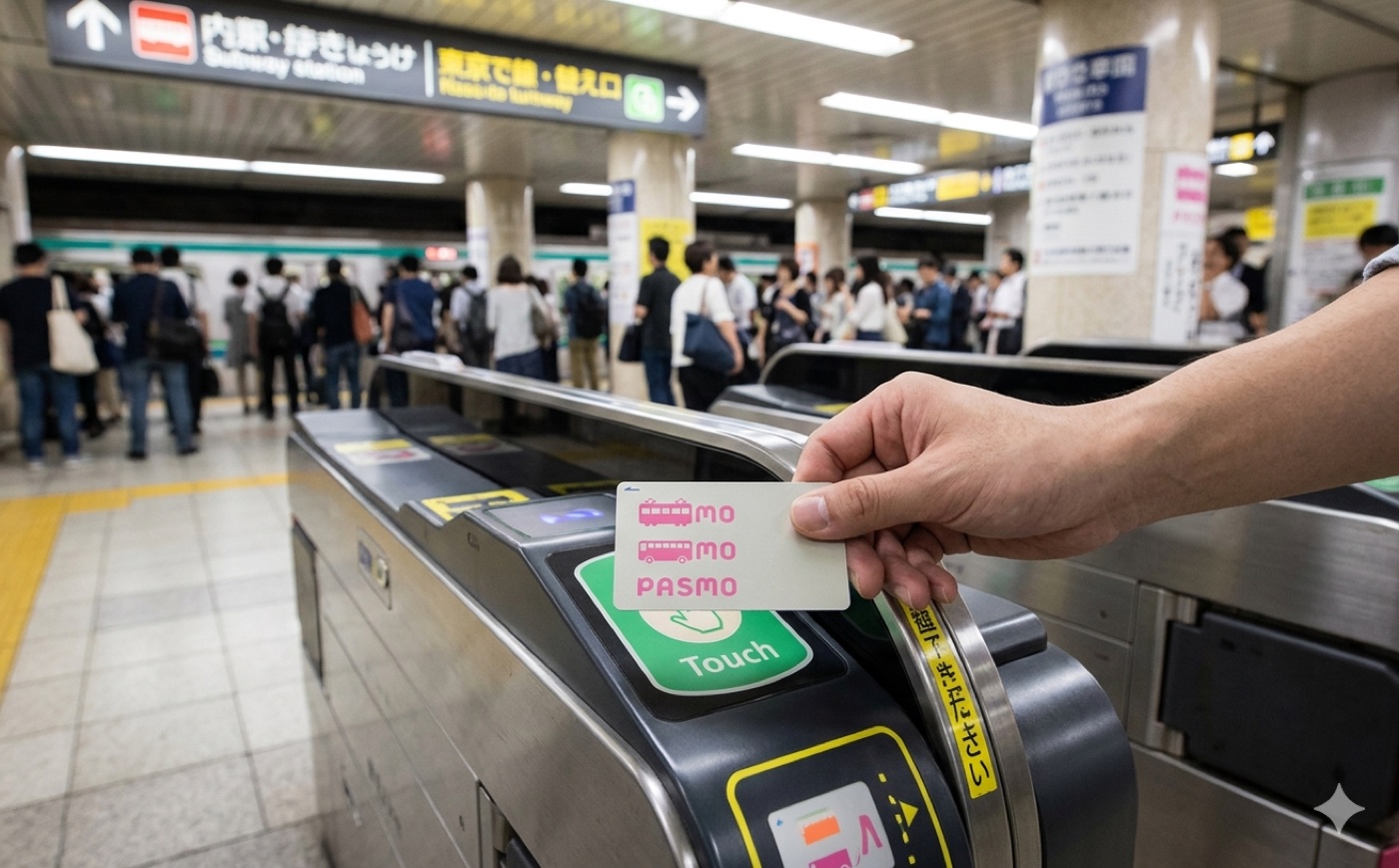
A Pasmo IC card tapping a turnstile at a Tokyo metro station

Metro and city trains

Tokyo has one of the most intricate transport systems in the world: multiple operators (Tokyo Metro, JR East, private lines). A single trip can involve two or three different companies and transfers between “systems”.

Google Maps handles it flawlessly: platforms, transfers, timing down to the minute.

IC cards

These are the backbone of getting around Japan.

SuicaPasmoICOCA

How it works:

  • buy a card (≈ ¥500)
  • top up the balance
  • tap in / tap out

Where it works:

  • metro in every major city
  • city and regional trains
  • buses across the country

You top up mostly with cash at the station machines.
+ Bonus: They also work at konbini, vending machines and many cafés.

Buses

  • especially important in Kyoto and smaller cities
  • IC cards work almost everywhere
  • sometimes you pay only when getting off

Taxis

  • clean and safe
  • but expensive

The main rule: don’t panic about transfers — the system is logical, just layered. Google Maps + an IC card solves 90% of it.

Wi04 · Internet

Coverage almost everywhere

Internet is no issue at all — the only question is which option suits you best.

eSIM (the easiest option)

AiraloUbigiHolafly

Pros:

  • no physical SIM card needed
  • activates in 5–10 minutes
  • works the moment you land

Catch:

  • your phone has to support eSIM

Free Wi-Fi

It’s nearly everywhere, but not always reliable:

  • hotels — usually decent Wi-Fi
  • konbini (7-Eleven, Lawson, FamilyMart) — often available
  • stations and airports
  • some tourist districts
車05 · Car rental

You don’t need a car in the big cities, but it becomes really useful the moment you step off the standard tourist trail.

Where a car really helps

  • 🏝Okinawa — comfortable travel without a car is almost impossible
  • 🌄Hokkaido — long distances, national parks
  • 🏯Rural regions around Kyoto and Nara
  • 🐟Small fishing villages and mountain areas

Getting to the “untouristy” backcountry near Kyoto can mean 2–4 train transfers plus buses. In cases like that, a car is often simpler and faster.

Where you DON’T need a car

TokyoOsakaKyoto (central)most large cities

Public transport there is so good that a car would be more expensive, slower and harder to park.

Rental requirements

  • passport
  • driver’s licence
  • International Driving Permit (IDP)

Without an IDP, you simply won’t get the car.

What driving in Japan is like

  • left-hand traffic (like the UK)
  • very strict traffic rules
  • disciplined drivers
  • roads in perfect condition
食06 · Konbini

24/7 survival hubs

Konbini aren’t just shops. In Japan they’re tiny all-purpose survival hubs — open around the clock and covering almost everything a traveller might need.

The major chains

77-Eleven

the most traveller-friendly (especially the ATMs)

FFamilyMart

plenty of ready-made meals and snacks

LLawson

a wide range of hot food and desserts

What you can do at a konbini

🍜

Food 24/7

  • ready-made meals (rice, noodles, curry)
  • sandwiches
  • snacks and sweets
  • coffee and hot drinks
  • microwave right in the store
💳

Payments and services

  • pay bills and some tourist services
  • buy transport tickets
  • print documents
  • ship parcels
🏧

ATMs

  • open 24/7
  • 7-Eleven ATMs accept foreign cards
  • Visa / Mastercard supported

Konbini are part of everyday life in Japan. It’s not just tourists who go in — locals stop by daily.

食06.1 · Food

The food of Japan – what to try

🍣

Sushi

Fresh, minimalist, exceptionally high quality. There are top-tier restaurants and there are kaiten sushi (conveyor-belt) places where you can eat fast and cheap. In Japan, sushi isn’t fast food — it’s a whole culture.

🍜

Ramen

One of the country’s defining dishes. The style shifts by region: Tokyo’s broth is lighter, Fukuoka (Hakata) goes rich and creamy with tonkotsu.

🥞

Street food

takoyaki (Osaka), okonomiyaki, festival sweets, seasonal snacks. The best atmosphere is in Osaka’s Dotonbori.

🍵

Matcha & sweets

Matcha lattes and traditional tea, mochi, dorayaki. Especially abundant in Asakusa and Kyoto.

🐟

Seafood

Very fresh fish — tuna, salmon, squid, sea grapes (especially in Okinawa). At many markets you can pick the fish yourself and have it prepared on the spot.

🥤

Vending machines

Drink machines on practically every corner — hot and cold, sometimes even food and snacks. Part of the Japanese urban landscape.

Key takeaway: even simple food in Japan tends to be remarkably good.

日常07 · Daily life

A few practical details

⚡

Electricity

  • standard voltage is 100V
  • usually fine for phones, laptops and cameras
  • check your chargers (most are 100–240V)
🔌

Plug sockets

  • type A (two flat prongs, like the US)
  • type B (with a third grounding pin)

A universal adapter is essential.

💰

Tipping

Tipping is NOT customary in Japan — it can even make people uncomfortable. Service is already included (restaurants, taxis, hotels).

👟

Shoes

Cleanliness runs deep. You’ll often take your shoes off at temples, always at ryokan, and sometimes at restaurants or museums.

If you see shoe shelves or slippers — the shoes come off.

🚰

Water

Tap water is perfectly safe to drink, no need to boil it. Quality in big cities is excellent.

買物08 · Shopping

Quality goods and Tax Free

Shopping in Japan combines high-quality goods, genuinely unique products and a very tourist-friendly system.

💸 Tax Free (VAT refund)

  • available to tourists
  • usually from ¥5,000 and up on a single receipt
  • passport is required
  • processed at the till or a dedicated counter
  • roughly 10% off (the tax comes off the price)

Items are sometimes sealed in a separate bag — don’t open it until you leave the country.

⚠️ Changes from 1 November 2026: Japan is switching to a "pay full price at the till → refund at the airport on departure" model. The instant point-of-sale exemption is being phased out. If you’re travelling after that date, plan extra time at the airport for the paperwork.

In short

Convenient, often great value thanks to Tax Free — from budget to premium.

Where to shop

🎡

Don Quijote (Donki)

Huge stores stocked with everything: cosmetics, souvenirs, food, electronics. Often open 24/7. One of the absolute favourites with tourists.

👕

Uniqlo

In Japan, Uniqlo isn’t just a clothing shop — flagship stores can be multi-storey landmarks. Tokyo has one of the largest Uniqlo locations in the world, spanning up to 10–14 floors together with sister brands and cafés.

🪵

MUJI

Minimalism and simplicity: clothing, accessories, cosmetics, home goods. A style built on “nothing extra”.

💊

Drugstores (Matsumoto Kiyoshi, Sun Drug)

A huge part of the shopping scene. Tourists stock up on cosmetics, sheet masks, vitamins, skincare, snacks and sweets.

礼09 · Culture

Unwritten rules

Japanese culture runs on a daily system of unwritten rules — and that’s exactly what makes the country so comfortable to live in and travel through.

🤫

Silence on transport

On the metro and trains, almost no one talks loudly. Phone calls are rare and considered out of place. Transport is a space for quiet.

🚶

Queues

Queues are a normal, deeply ingrained part of the culture. People line up neatly, no one pushes in. On the metro there are clear markers for where to stand at each carriage door.

🙇

Respect

A core value. You don’t need to be “perfect” as a tourist, but: keep the noise down, don’t cause chaos, respect personal space.

🧼

Cleanliness

Japan is one of the cleanest countries in the world. Public bins are rare, so people carry their rubbish with them. Keeping things clean is everyone’s responsibility.

便10 · Curious facts and luggage

Small details that stick with you

🚆

Punctuality to the minute

Trains can apologise for being even one minute late. Delays here are genuinely rare and treated as serious incidents.

🗑

Almost no public bins

Public bins are rare — they were largely removed for security reasons. People simply carry their rubbish home or to a konbini.

😷

Masks as part of the culture

Masks aren’t worn only when sick: protection from dust and allergies, courtesy so you don’t infect others, sometimes just habit.

Luggage logistics

Japan has a very convenient luggage-forwarding system that genuinely simplifies travel between cities.

📦 Service:

Takkyubin · Yamato Transport

How it works:

  • leave your suitcase at the hotel reception or a konbini
  • give the address of your next hotel
  • the suitcase travels separately (usually a day in transit between big cities)

And you simply travel without your luggage.

予約11 · Booking

What to book and where

Trip.com

  • hotels
  • flights
  • eSIM
  • tours and activities

You can often find better prices here than booking directly with hotels or airlines.

Trip.com (referral link) ↗

Klook

  • Universal Studios Japan tickets
  • teamLab Planets / Borderless
  • transport passes (JR Pass in some cases)
  • tours and local activities
  • SIM / eSIM

Especially handy for tickets to popular attractions.

Klook (referral link) ↗
旅12 · Route

A flexible itinerary for 10–14 days

A contrast of chaos and order, of neon-lit blocks and quiet temples. The easiest way to make sense of the city is one neighbourhood at a time.

🟣Shibuya· 渋谷

Chaos, fashion and youth culture.

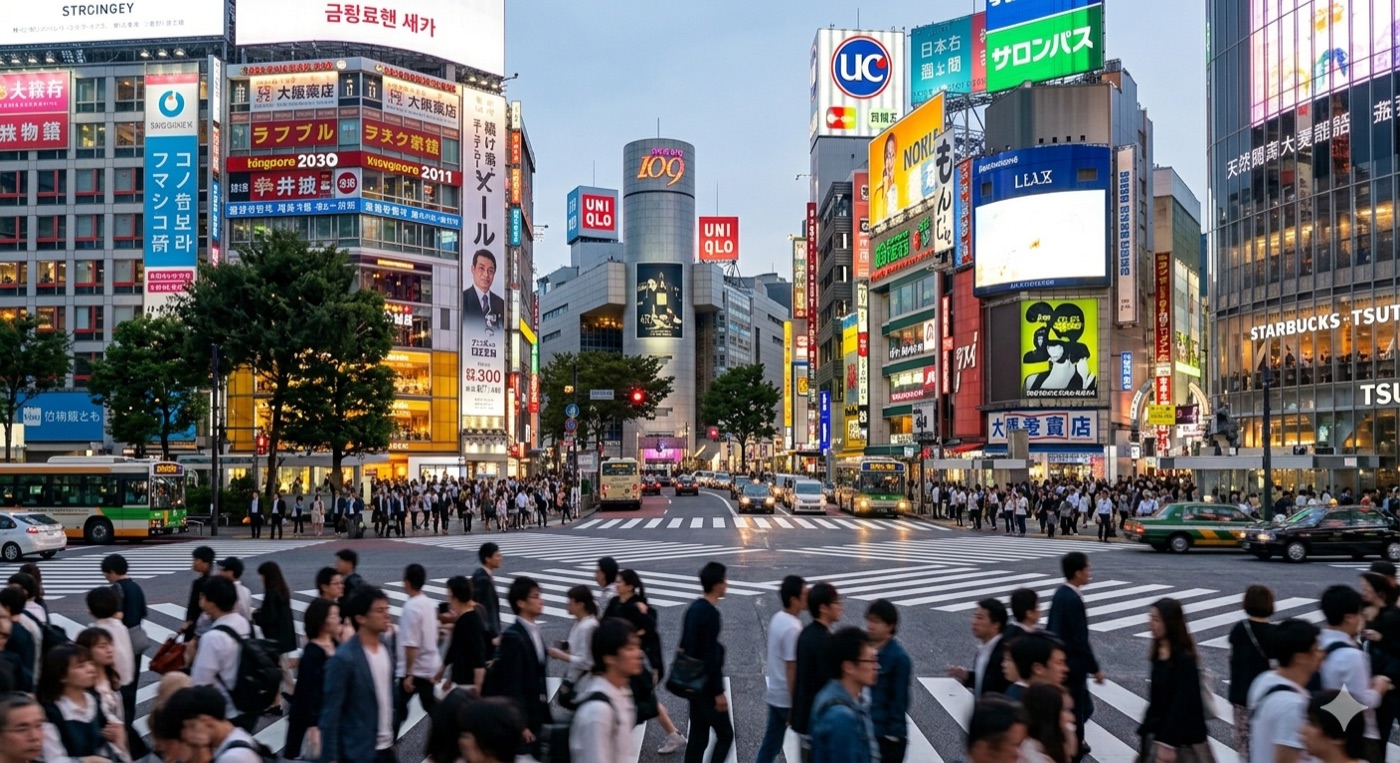
A crowd of pedestrians at the Shibuya Crossing in Tokyo

Shibuya Crossing

The most famous intersection in the world — hundreds of people crossing from every direction at once. Best experienced from above or by walking through it a few times yourself.

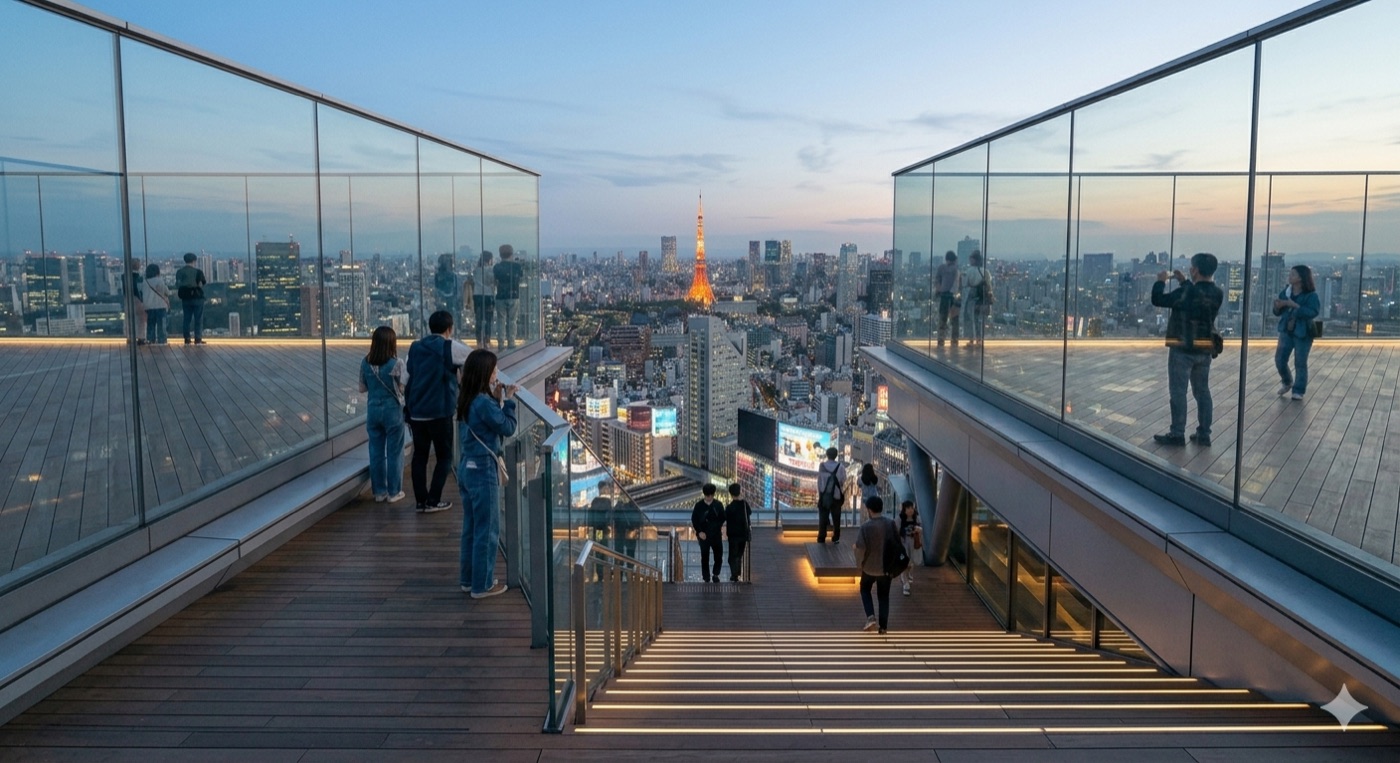
The glass-walled Shibuya Sky observation deck with a view of Tokyo Tower

Shibuya Sky

A rooftop on top of a skyscraper — one of the best views of Tokyo, especially at sunset. Tickets are time-slotted; the evening slots sell out first, so book one or two weeks ahead.

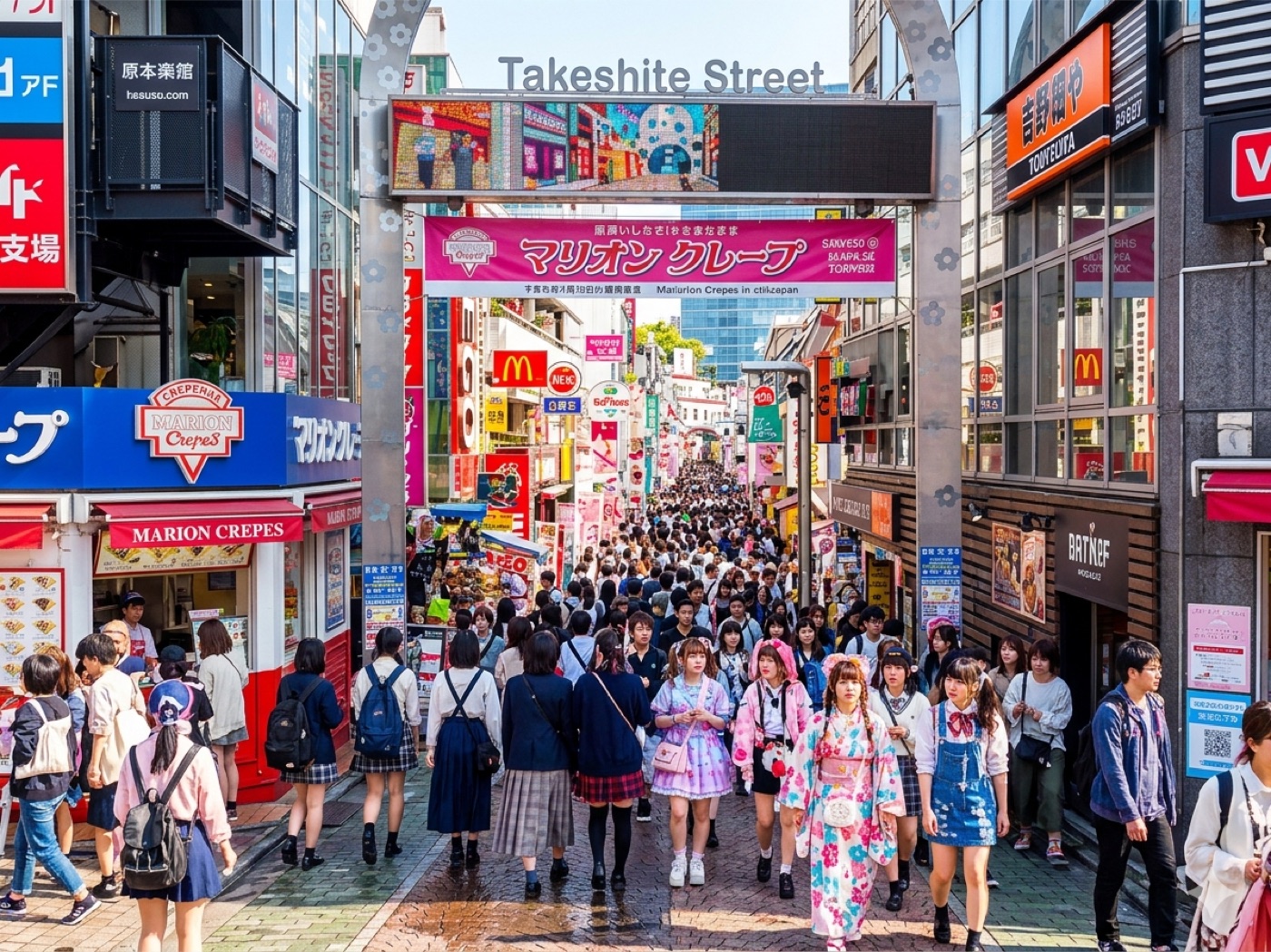
A crowd under the entrance arch to Takeshita Street in Harajuku

Takeshita Street

Harajuku’s main pedestrian street — narrow and almost always packed. Kawaii culture, sweets, crêpes, candy floss, souvenirs.

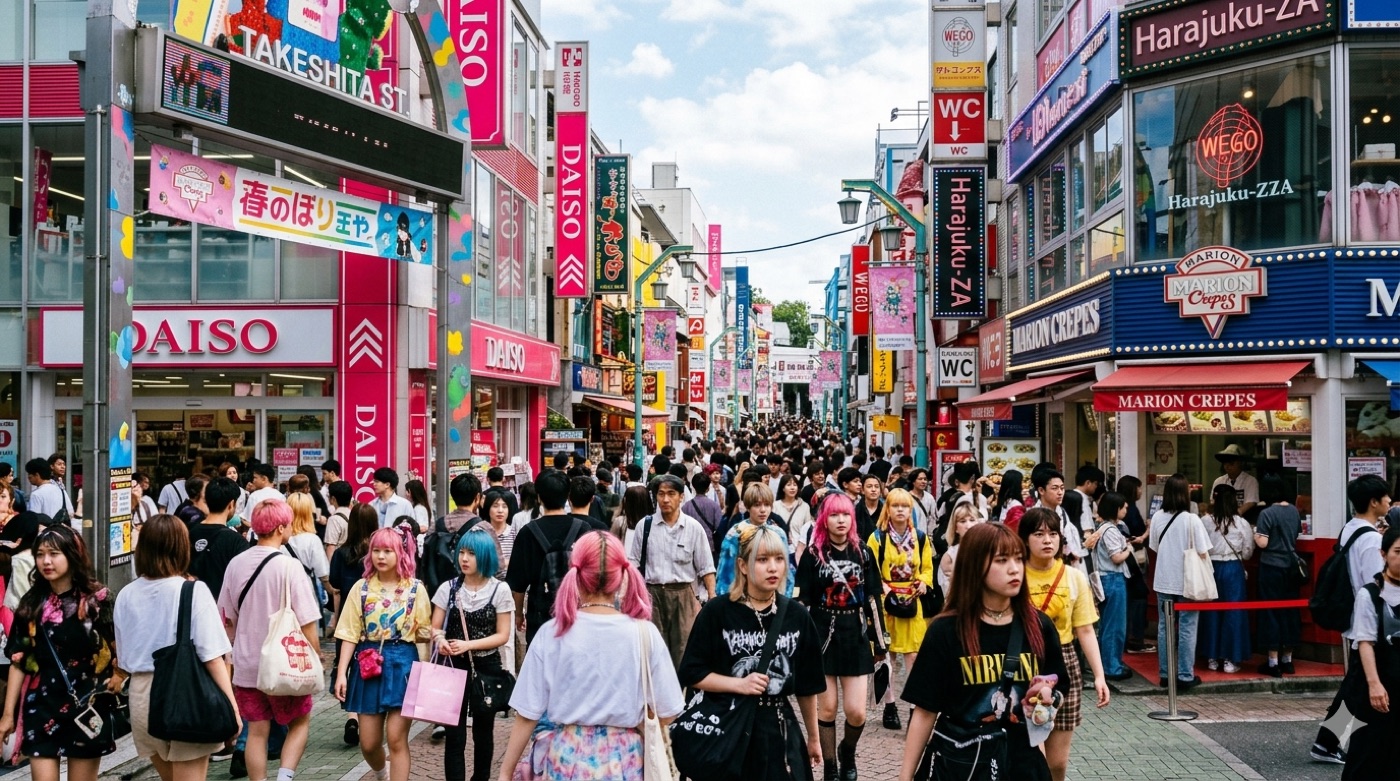
A crowd of young people with colourful hair on a Harajuku shopping street near DAISO and MARION CREPES

Harajuku

One of Tokyo’s most famous youth districts: shops with one-of-a-kind clothing, creative cafés, street fashion and subcultures.

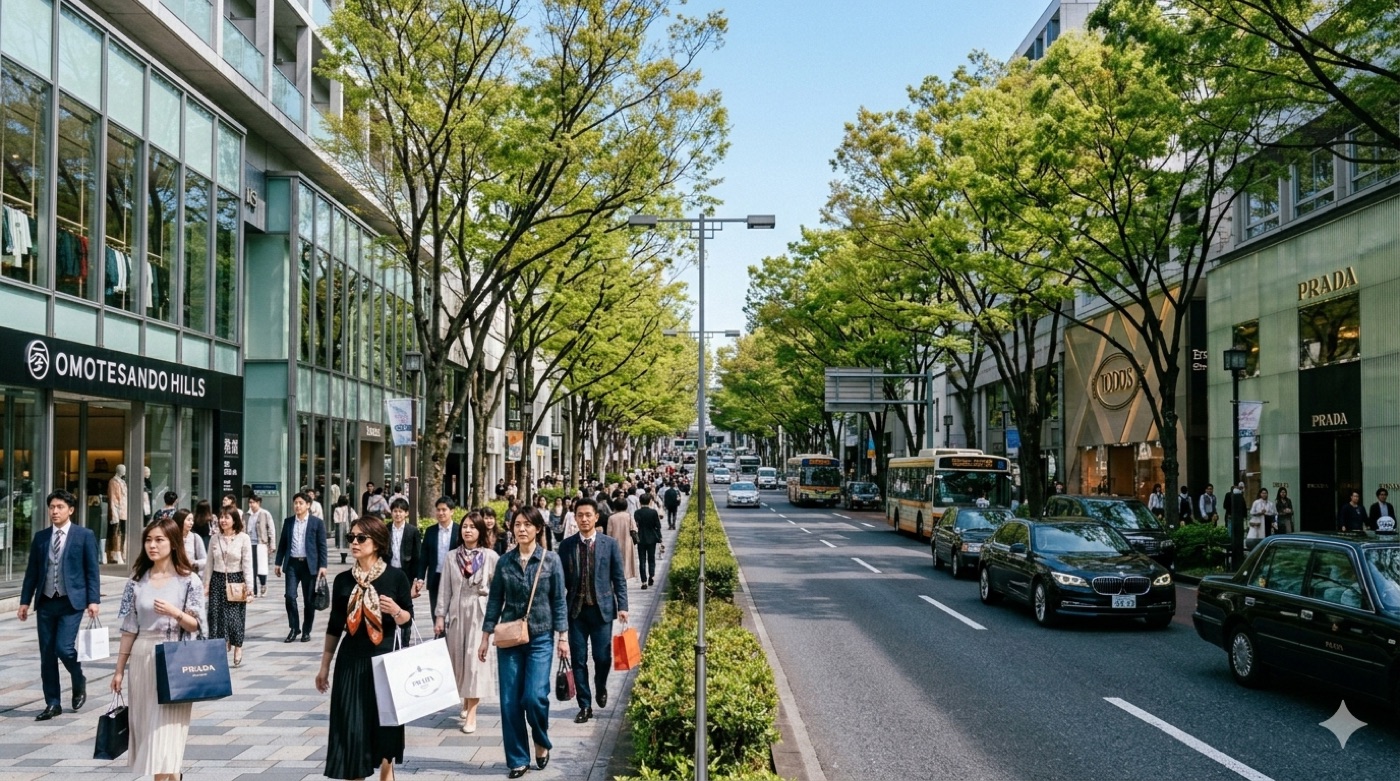
The leafy Omotesando avenue with PRADA and Omotesando Hills

Omotesando

The luxury district next door to Harajuku: flagship-store architecture, designer brands, wide, elegant boulevards.

🟡Akihabara· 秋葉原

“Electric Town” — the capital of anime, manga and geek culture.

Anime / manga shops

Figures, video games, retro consoles, arcades, gachapon machines. Easy to lose a few hours or half a day here.

Maid cafés

Themed cafés with playful service. For the popular ones, book ahead. Most have a cover charge or a minimum set.

Nakano Broadway

Another cult district for anime fans: more vintage, rare figures and retro goods. A collector’s atmosphere.

🟢Ginza· 銀座

Luxury Tokyo: brands, fine dining, minimalist architecture.

Luxury brands

Louis Vuitton, Dior, Chanel — flagship stores with show-stopping architecture.

Atmosphere

Calm, clean, minimalist. The “expensive Tokyo” without the chaos.

🔵Asakusa· 浅草

The old heart of Tokyo: temples, traditional lanes, tea houses.

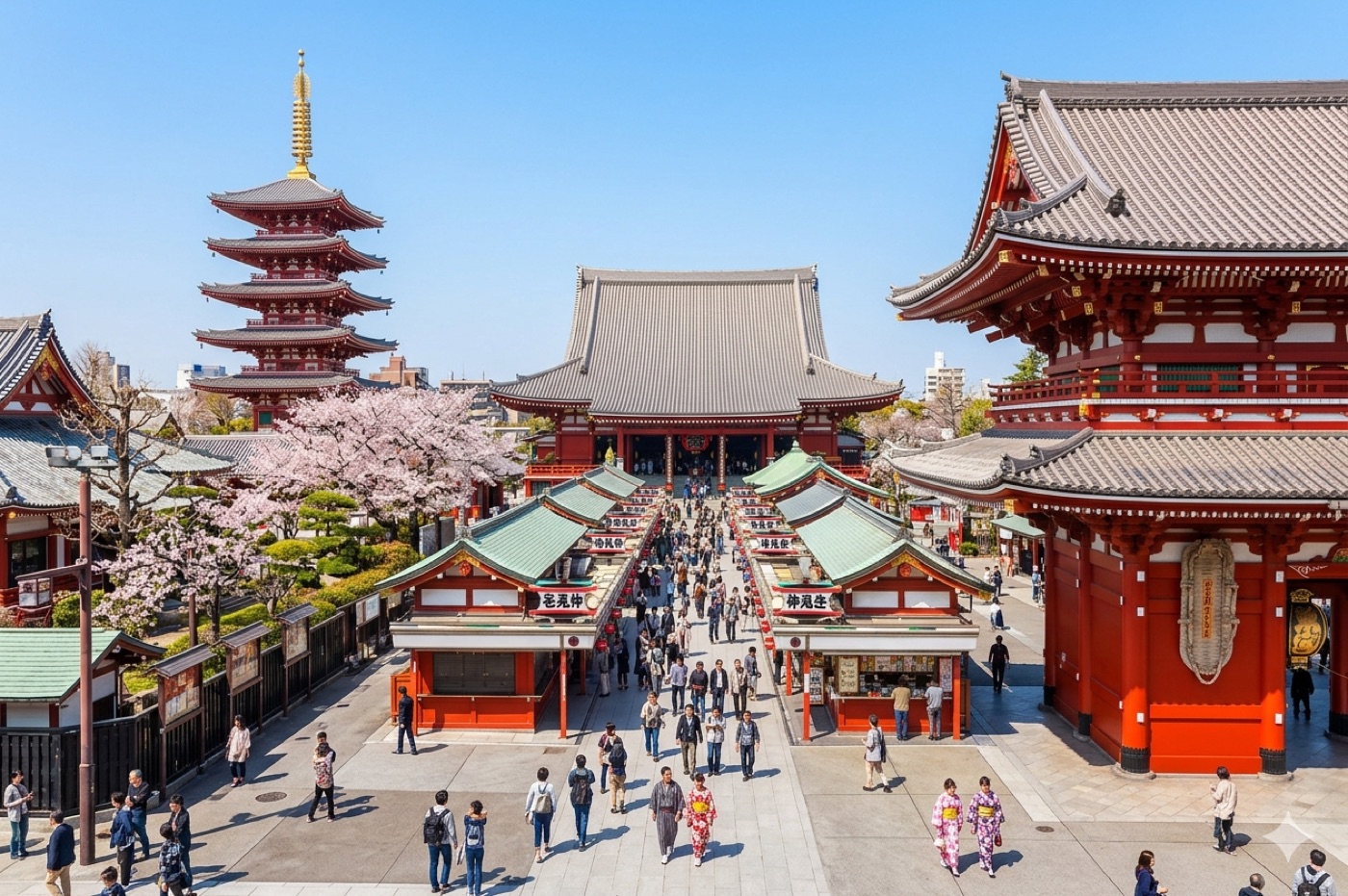
The five-storey pagoda and red halls of Sensō-ji in Asakusa during cherry-blossom season

Sensō-ji temple

Tokyo’s oldest temple. The huge red Kaminarimon gate, the main grounds, the Nakamise-dori shopping street full of souvenirs and sweets, and omikuji fortune slips. Best visited early in the morning.

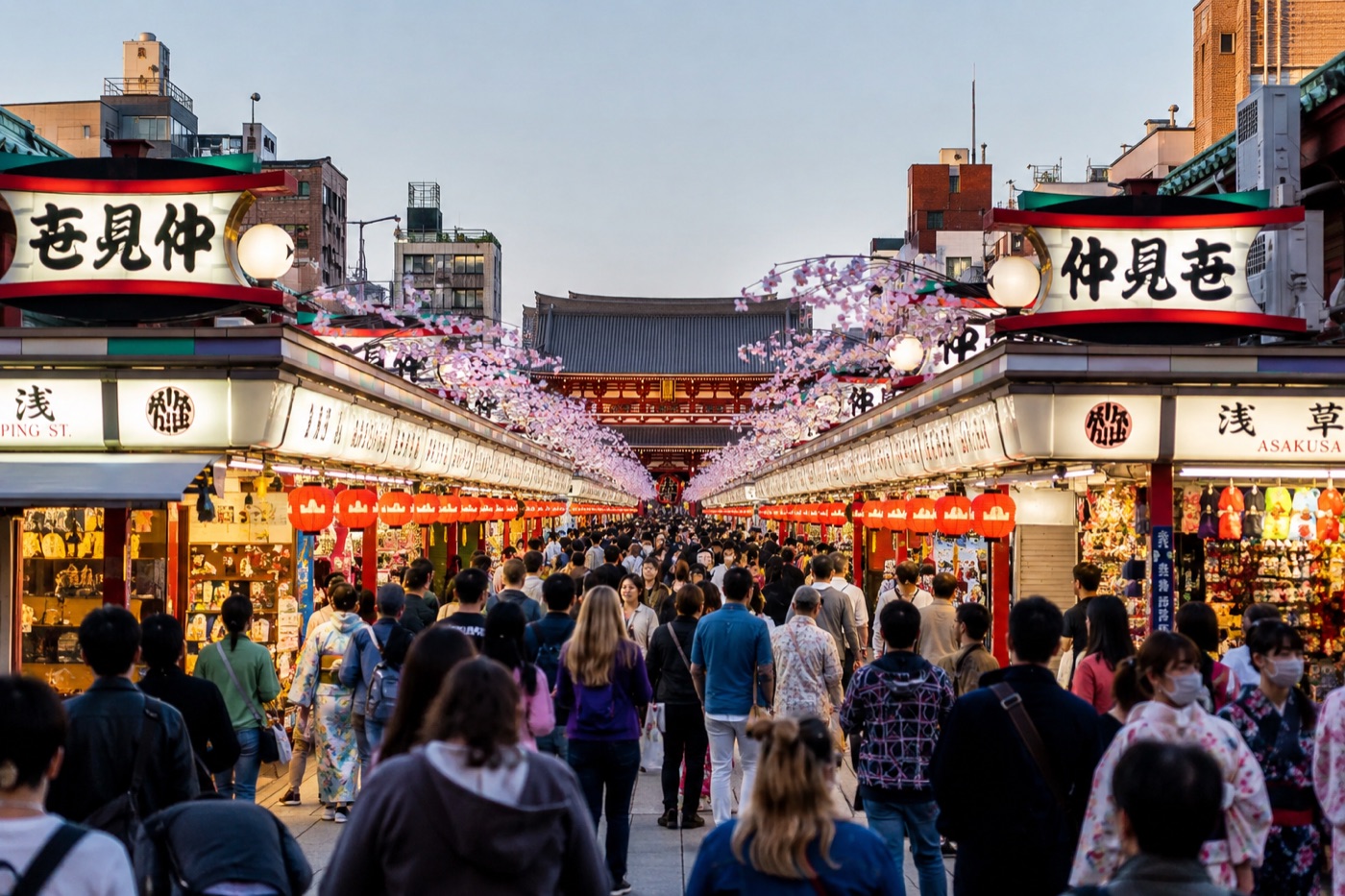
Nakamise shopping street with 仲見世 lanterns and the Sensō-ji gate in the background

Nakamise Street

One of the oldest shopping streets in Japan: street food, traditional snacks, Japanese-style souvenirs.

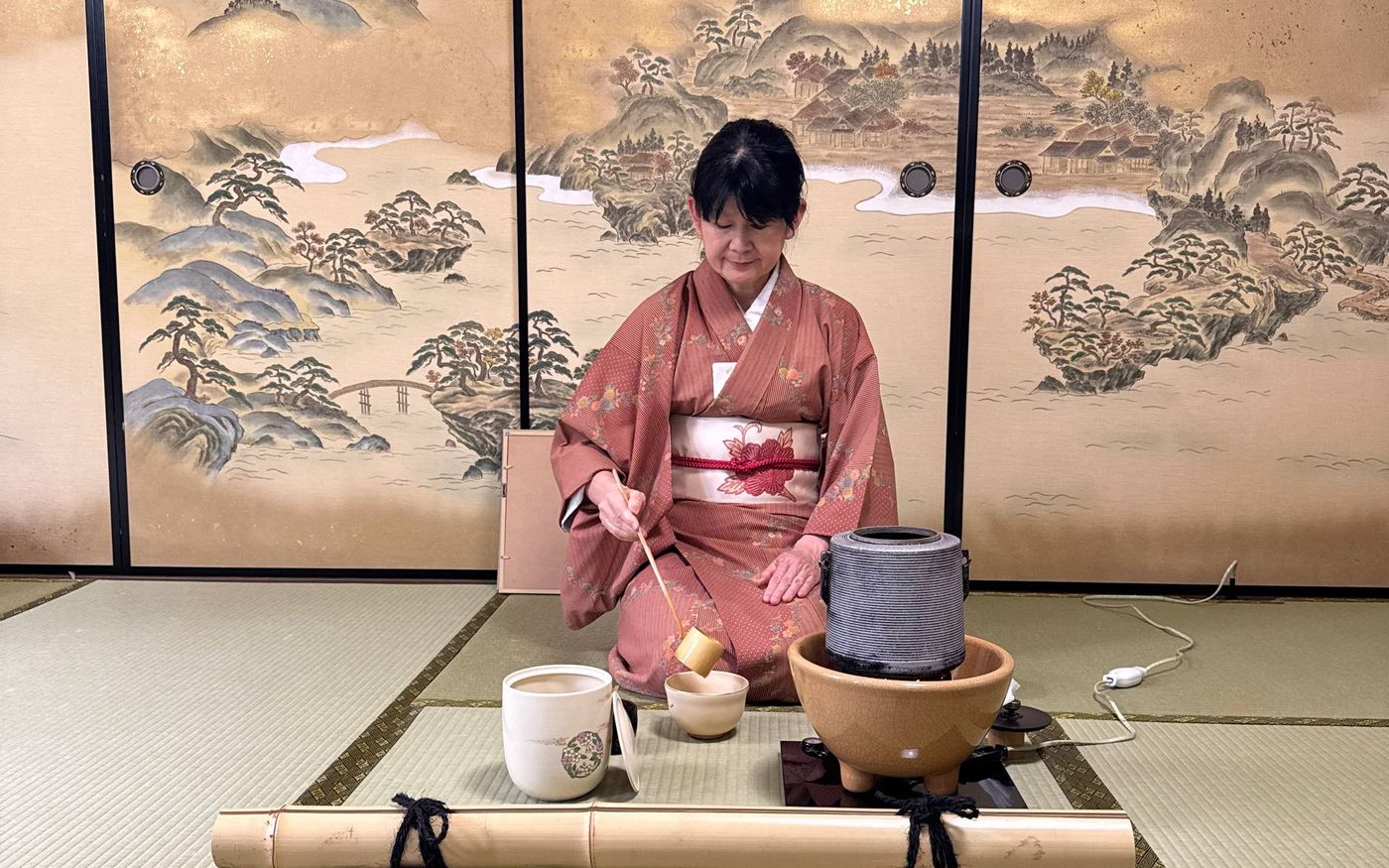
A tea-ceremony master in kimono against painted shoji screens

Tea ceremony + kimono

MAIKOYA — a full cultural experience: kimono rental, professional styling, an authentic tea ceremony and a traditional-style photo shoot.

Pignic Café Asakusa

An unusual café with miniature pigs — a popular “pet café” experience among visitors.

Tokyo Skytree

A modern TV tower right next to Asakusa — panoramic city views and a total contrast to the old district below.

🔴Odaiba· お台場

Tokyo’s thoroughly modern side, built on artificial islands — space, technology and entertainment.

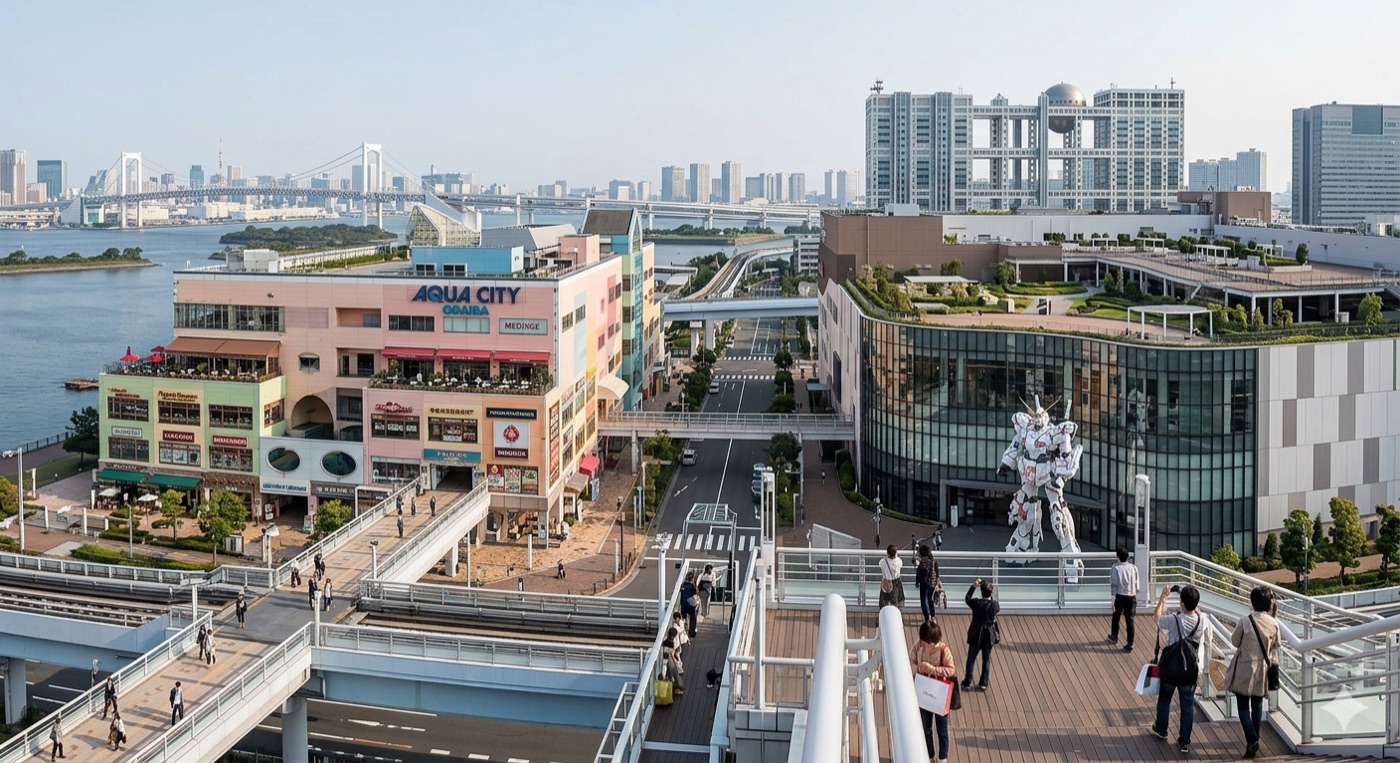
Aqua City Odaiba and DiverCity with the Gundam statue and Rainbow Bridge behind

Aqua City / DiverCity

Big shopping centres, futuristic architecture, night views over the Rainbow Bridge.

Unicorn Gundam

Right next to DiverCity Tokyo Plaza — a life-size Gundam statue with evening light shows.

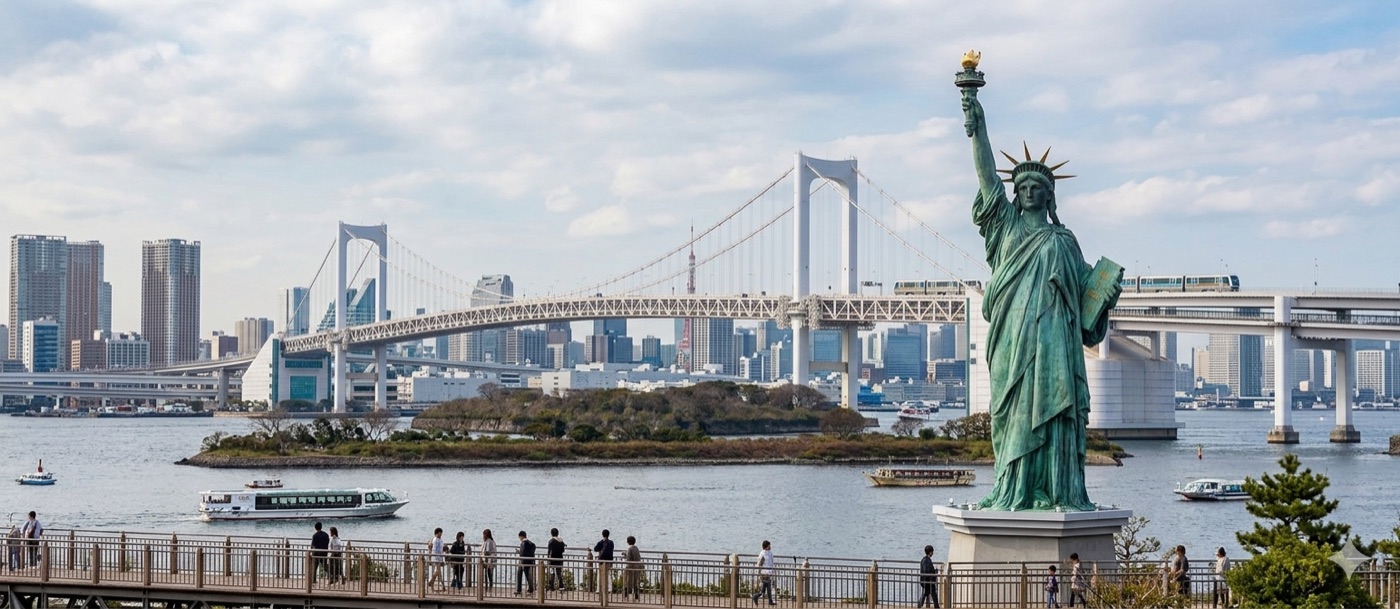
A miniature copy of the Statue of Liberty in Odaiba with the Rainbow Bridge behind

Statue of Liberty Replica

Odaiba has its own small Statue of Liberty — one of the most photographed spots in Tokyo Bay. The Rainbow Bridge and the city skyline sit behind it.

🟣teamLab· デジタル

Digital art museums — a near-mandatory stop for many visitors.

teamLab Planets (Toyosu)

You walk through the installations barefoot: water, light, mirrors, projections. Light tunnels, water-filled rooms — full immersion.

≈ ¥3,200–¥3,600

teamLab Borderless (Azabudai Hills)

A new version of the legendary museum — no fixed route, the installations migrate between rooms. Interactive: draw a fish and it “comes to life” in the digital world. There’s a café inside.

From ¥3,800

🗻 Near Tokyo · Fuji & Onsen

If you’ve got a couple of extra days — two slow counter-points to Tokyo: Japan’s iconic mountain and a soak in hot springs. Best done back to back.

Mt. Fuji area

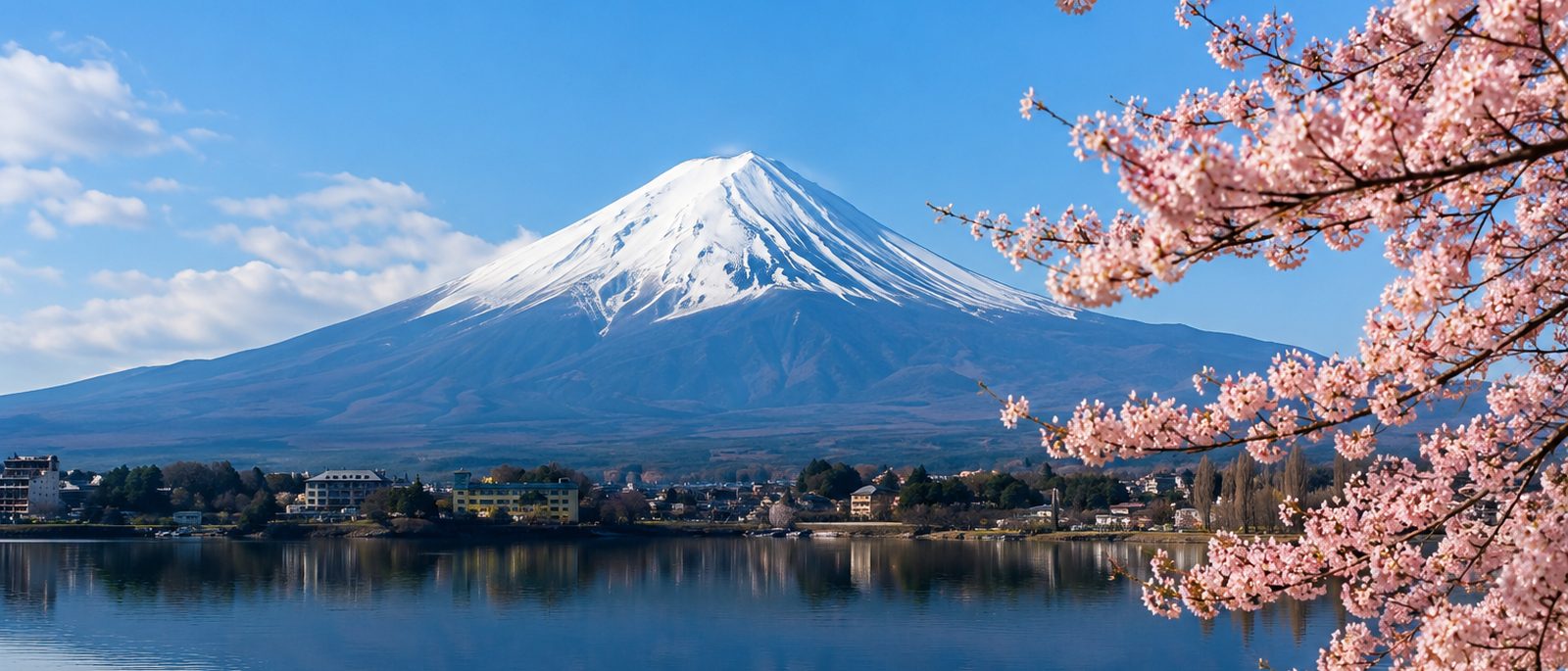
Mount Fuji and the area around it

Japan’s most famous mountain and one of the country’s defining symbols. Even if you don’t climb to the summit, the area around Fuji is gorgeous and easily worth a couple of days.

Mount Fuji with its snowy cap, cherry blossoms and a reflection in Lake Kawaguchi

What’s worth knowing

  • height — 3,776 m
  • official climbing season: July to early September
  • outside that window the summit is often closed due to weather and snow

🚄 How to get there

About 2 hours by road from Tokyo. The most popular bases are Kawaguchiko and the Fuji Five Lakes area.

🚡

Ropeway

The Mt. Fuji Panoramic Ropeway in Kawaguchiko — panoramic views of Fuji and Lake Kawaguchi, especially beautiful at sunset.

🚲

Cycling

Very popular around Lake Kawaguchi and the Fuji Five Lakes. Rent a bike for the day, loop the lakes, stop at viewpoints and cafés — one of the loveliest ways to explore the area.

🌊

Fuji Five Lakes

The five-lake region at Fuji’s base. Nature, calm, the best mountain views. Boats, bikes, campsites, small hotels and ryokan.

🌸

Chureito Pagoda

One of Japan’s most famous photo spots: the pagoda with Fuji rising behind it. Especially beautiful in spring under the cherry blossoms.

Fuji is famously fickle — often hidden by clouds. Your best chances of seeing it: early morning, winter or autumn.

Onsen

Hot thermal baths

Onsen are one of the most important parts of Japan’s culture of rest. Natural hot springs are scattered across the country, especially in mountain and volcanic regions.

♨️ What it is

  • hot mineral baths
  • outdoor or indoor pools
  • a very Japanese way to unwind

🌿 Atmosphere

  • silence
  • nature
  • a slow, calm pace

Especially beautiful in autumn, in winter with snow, and inside traditional ryokan.

⚠️ Important rules

  • 🚿 Before entering – wash yourself thoroughly before getting into the water — there are dedicated shower areas for this
  • 👙 Swimwear – in classic onsen, swimwear is usually NOT allowed; bathing is separated by gender
  • 🖋 Tattoos – can be an issue at some onsen — sometimes you’ll need cover stickers or a private bath

🏨 Onsen Ryokan

The peak experience: a traditional ryokan, a kaiseki dinner, your own onsen with a view of nature. One of the most distinctly Japanese things you can do on this trip.

Fuji + onsen is nature and stillness, the slow Japan — the perfect counterweight to Tokyo or Osaka.

🏨 Where to stay in Tokyo

Shinjuku

★ best for a first stay

The main transport hub and the best choice for a first visit.

Shibuya

Young and stylish — built for an active trip.

Asakusa

Traditional Tokyo, cheaper stays, Sensō-ji on your doorstep.

Ginza

Luxury and a calmer, premium stay.

Ueno

Parks, museums, a local feel. A good balance of price and location.

Odaiba

Unique and futuristic — but far from the centre.

🏨 Hotels by tier

Budget

  • business hotels (Toyoko Inn, APA Hotel)
  • compact, clean, functional

Mid-range

  • Mitsui Garden Hotels
  • more space, modern design

Luxury

  • Park Hyatt Tokyo
  • premium hotels in Ginza / Shinjuku

Capsule

  • bare-minimum sleeping pods
  • a cheap and unusual experience for one or two nights

Japan’s cultural heart: temples, traditions, geisha, tea ceremonies. A slower, more atmospheric counterpoint to Tokyo.

⛩ Main sights

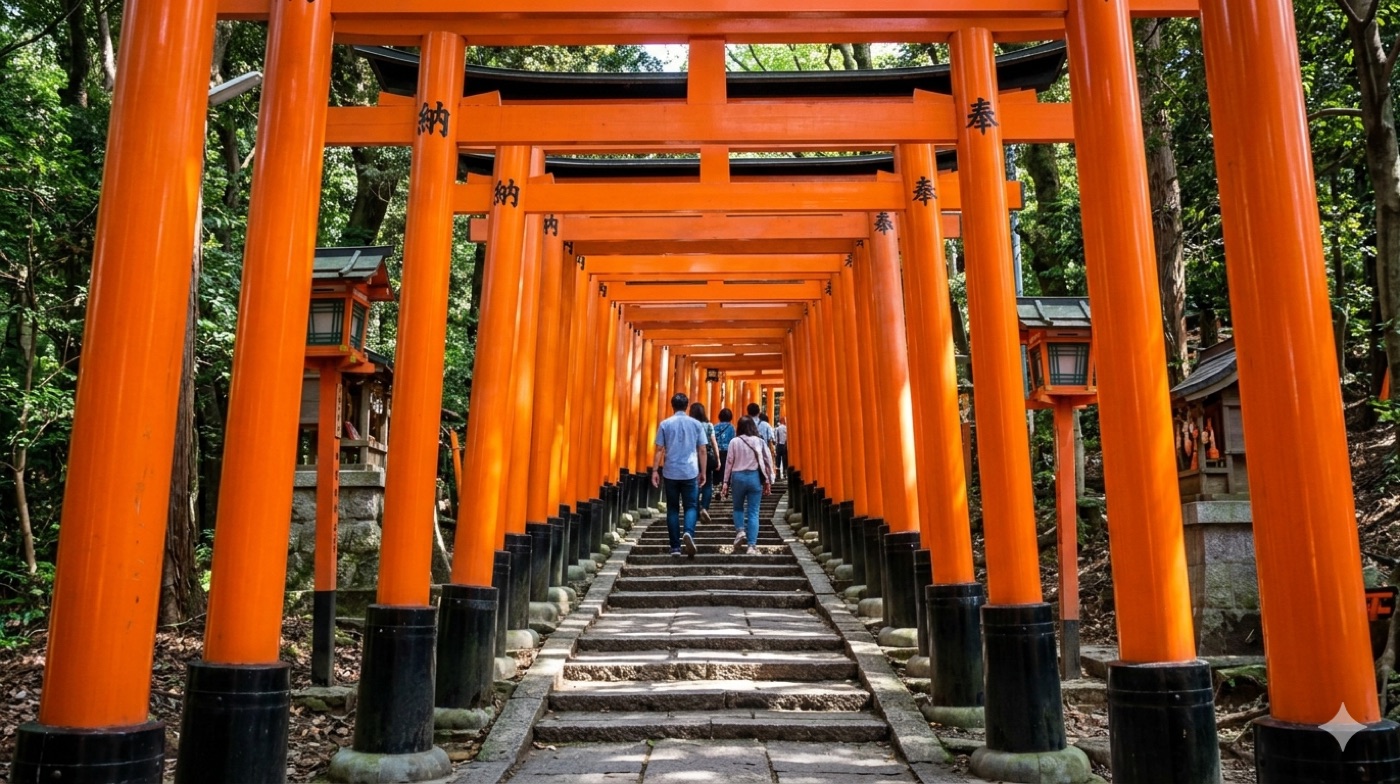
The red torii gates of Fushimi Inari with kitsune fox statues on either side of the path

Fushimi Inari-taisha

Thousands of red torii gates form long paths up Mount Inari. The main loop takes 1–2 hours; you can climb higher if you want to.

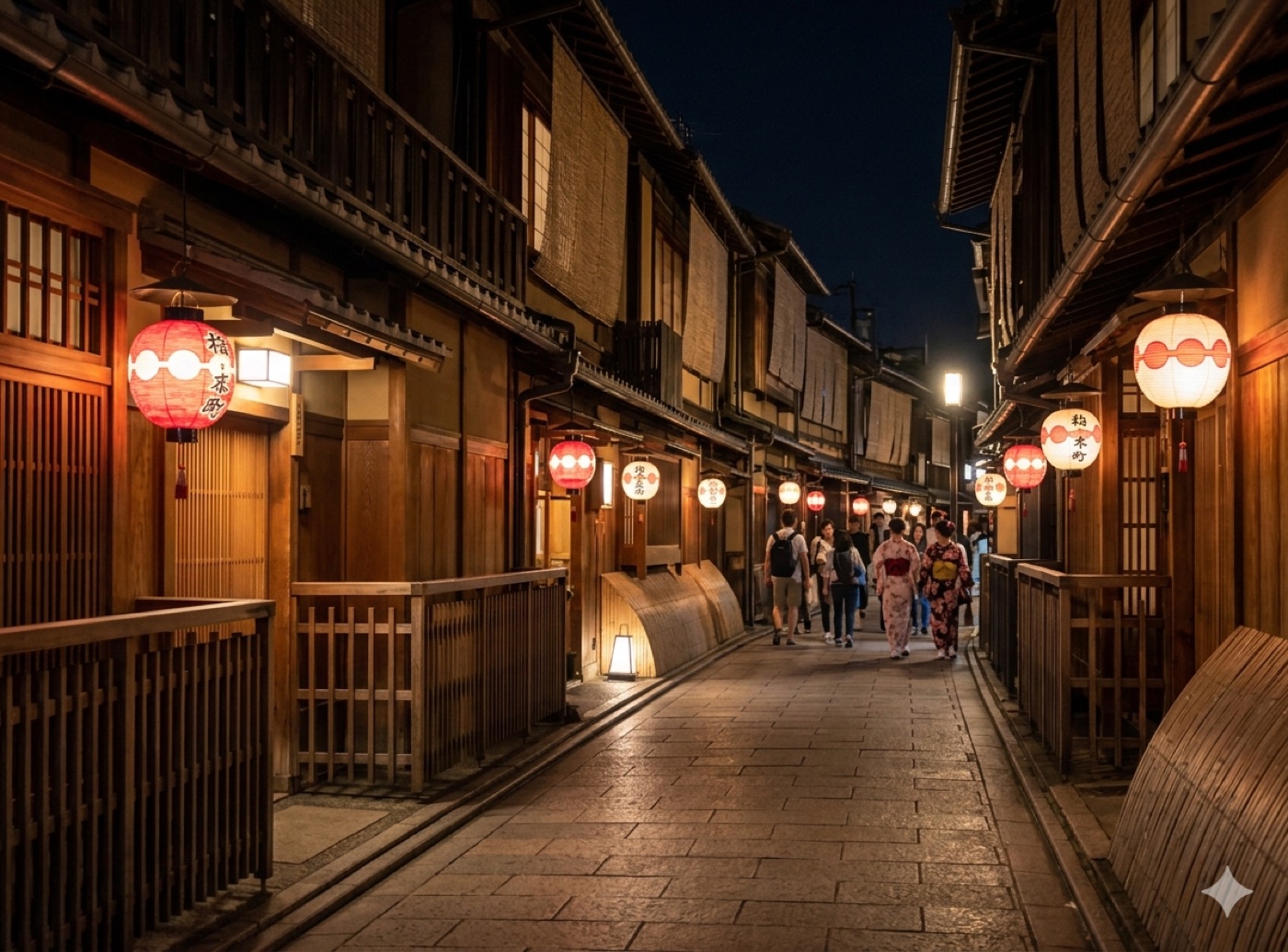
An evening lane in Gion with red lanterns and people in kimono

Gion district

The historic quarter of old Kyoto: narrow lanes of traditional wooden houses, the geisha district (geiko and maiko), tea houses. Most atmospheric in the evening.

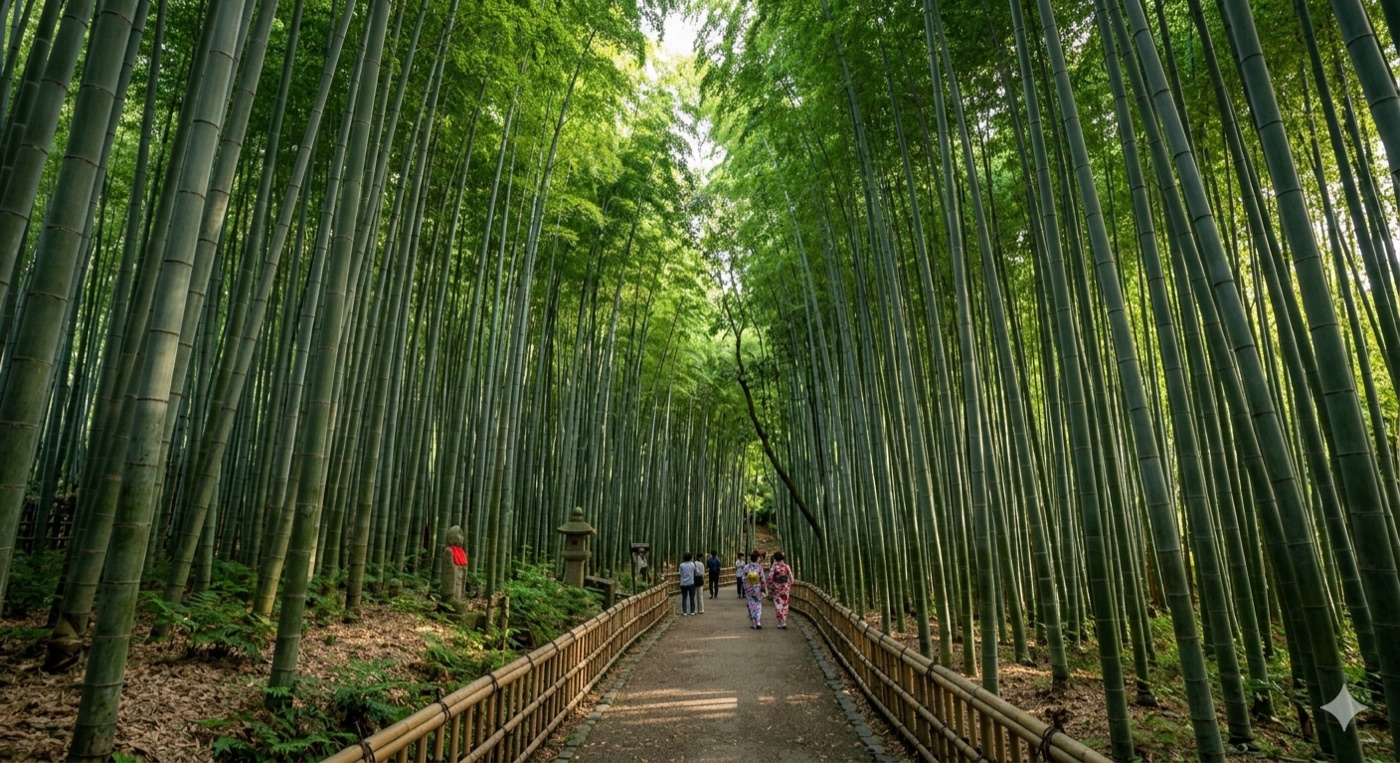
A path through the Arashiyama bamboo grove with tourists in kimono

Arashiyama Bamboo Grove

The famous bamboo grove with towering stalks. Silence, nature and a cinematic Japanese landscape.

Arashiyama district

Nearby: the Togetsukyo bridge, Monkey Park, traditional tea houses, river-boat rides and shopping lanes.

Kiyomizu-dera

A temple with sweeping city views and a wooden terrace cantilevered over the hillside.

Kinkaku-ji (the Golden Pavilion)

A temple whose upper two floors are coated in gold leaf, mirrored in the pond it stands beside.

Sannenzaka

Historic lanes lined with shops, souvenirs and traditional architecture.

🌿 Extra stops near Kyoto

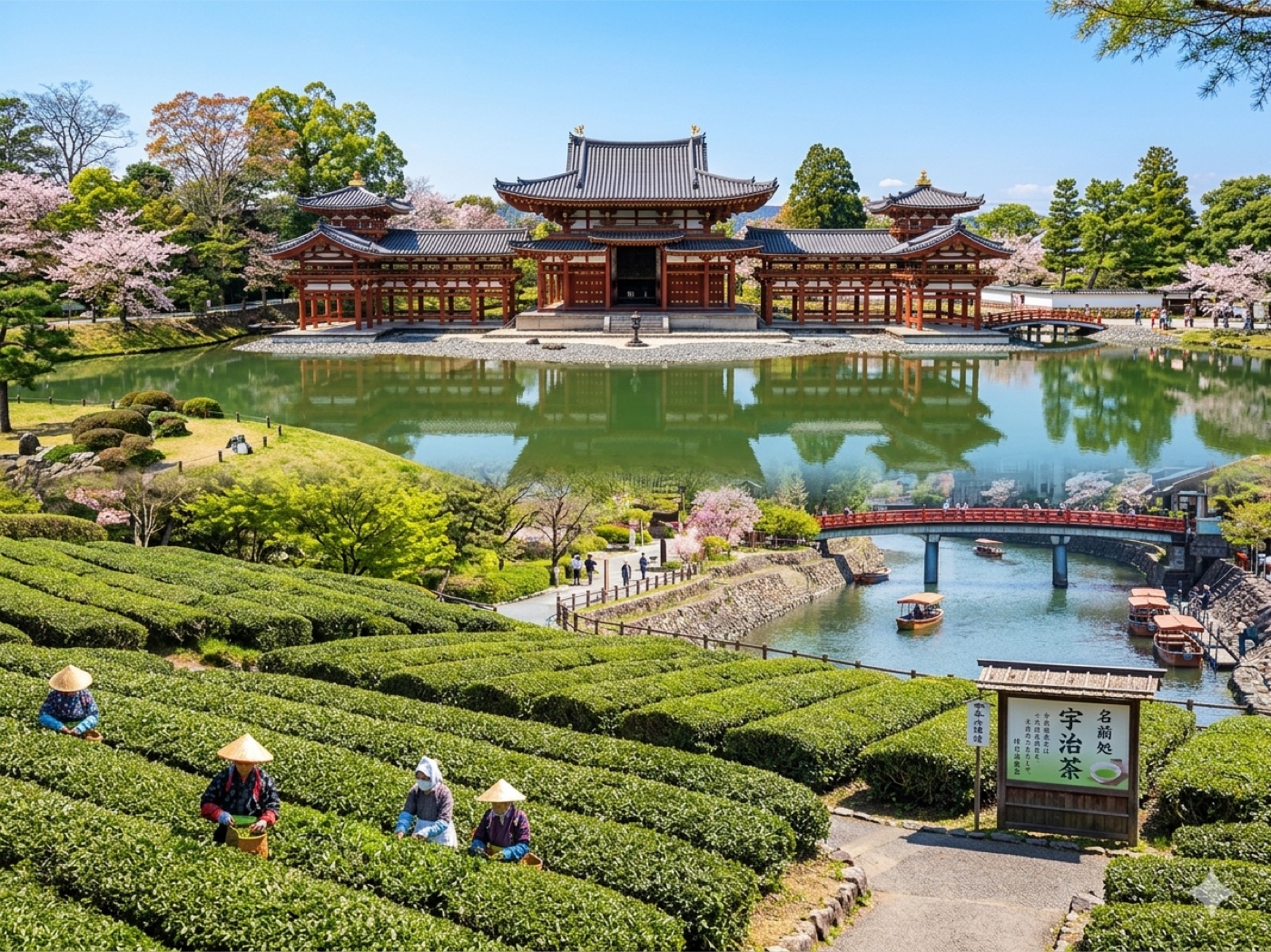
Byōdō-in temple in Uji with a tea plantation and tea pickers in the foreground

Uji — the matcha town

A small historic town producing some of Japan’s best matcha. Traditional tea houses, a calm, non-touristy mood and river views. The ideal place to bring real matcha home with you.

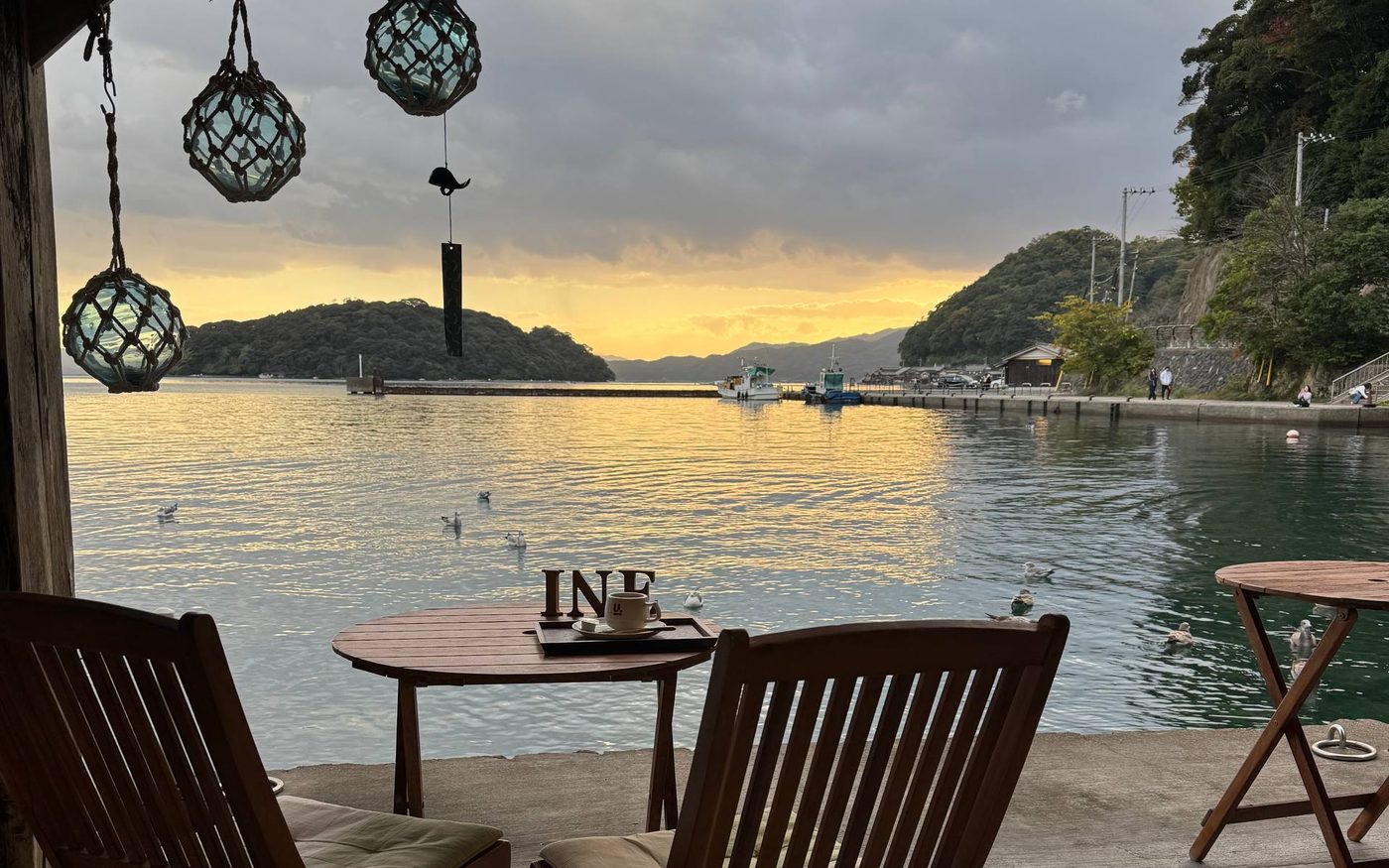
Sunset over Ine harbour with glass fishing floats on a wooden veranda

Ine — the fishing village

A tiny village west of Kyoto with traditional funaya houses built right over the water. Quiet, almost tourist-free, with a unique architecture. Easiest to reach by car.

🏨 Where to stay in Kyoto

Kawaramachi

★ best choice

Central area — the best balance of convenience and street life.

Gion

Old-Kyoto atmosphere, but pricier and lighter on modern comforts.

Kyoto Station

Maximum logistics and transport access, but less atmospheric.

A small historic town near Kyoto, famous for its free-roaming deer and ancient temples. One of the most popular day trips from Kyoto or Osaka.

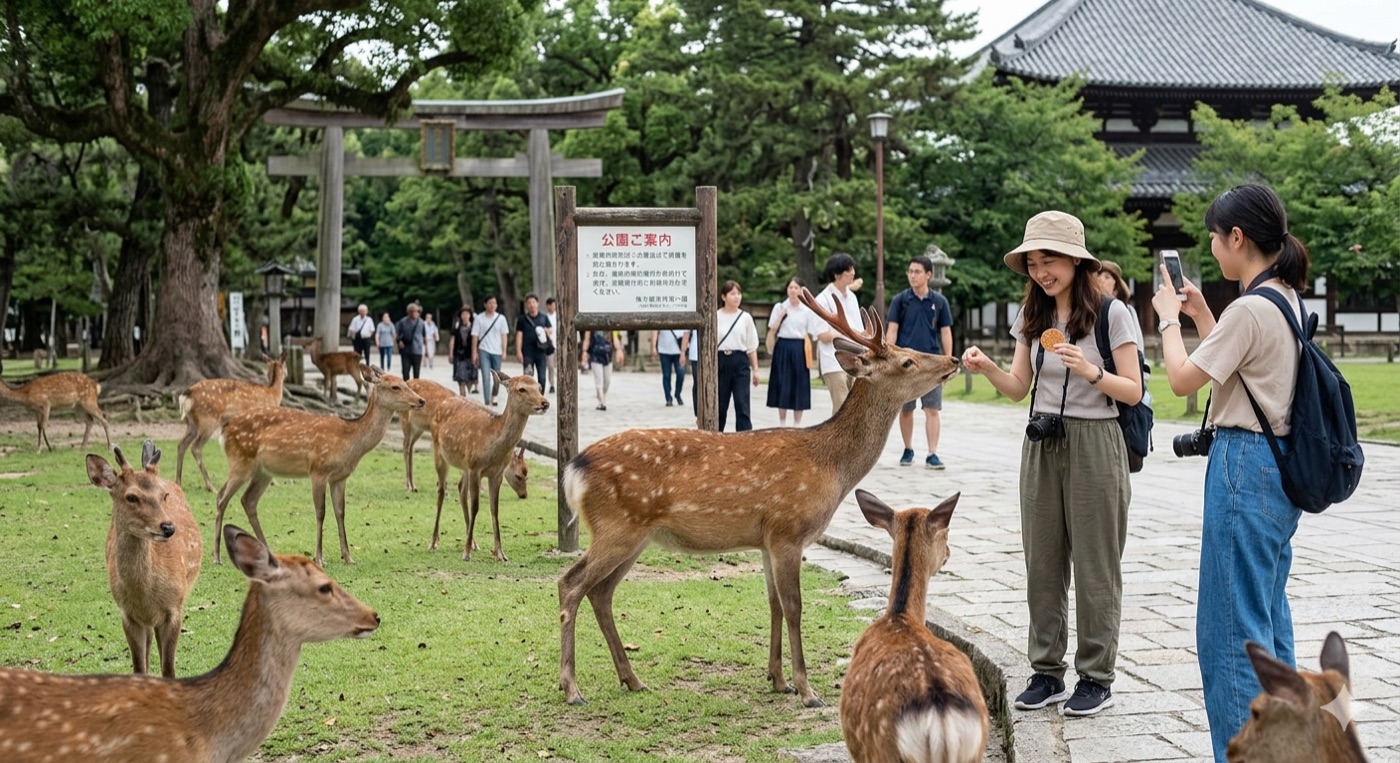
Sacred deer in Nara Park, a visitor feeding one a cracker
🦌

Nara Deer Park

Deer roam freely across the park — they’re considered sacred. Visitors can feed them shika senbei crackers; the deer will come right up to you. One of Japan’s most charming spots.

Park entry is free

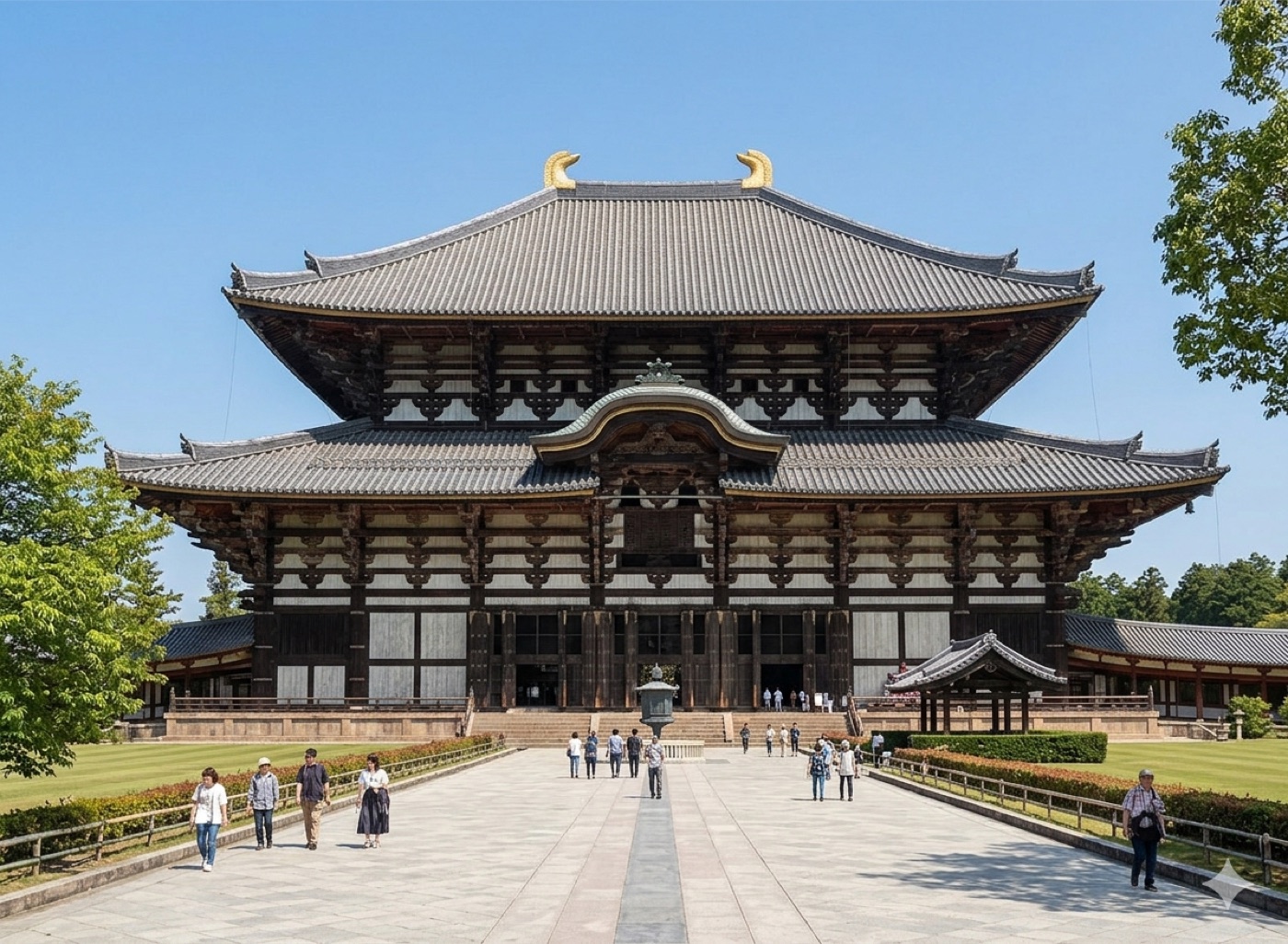
The main hall of Tōdai-ji in Nara — one of the largest wooden buildings in the world
⛩

Tōdai-ji temple

One of Japan’s most important Buddhist temples. Inside stands a massive Buddha statue (Daibutsu). The wooden hall itself is one of the largest in the world.

Entry ≈ ¥600–¥800

Japan’s second-largest city, known for its food, neon and lively atmosphere. Very close to Kyoto, so you can stay in Kyoto and pop over for the day: 15–30 minutes on the Shinkansen or about an hour on a regular train.

Dotonbori

The main neon district: canals, signs, giant screens. One of the most atmospheric streets in Japan.

Street food

Osaka is Japan’s “kitchen”. Don’t miss: takoyaki (octopus balls), okonomiyaki (savoury pancakes) and the various street-food sets in Dotonbori.

Universal Studios Japan

One of the world’s best theme parks. Super Nintendo World is a Mario zone with interactive rides. Standard entry ≈ ¥8,600–¥10,900.

Express Pass

Highly recommended: lets you skip the long queues, especially crucial in high season. It’s an extra fee, with prices depending on the package.

A perfect day trip from Kyoto, though staying one night for an evening in Dotonbori is also a great call.

A completely different Japan: tropical islands, beaches and ocean — a “Japanese Maldives” with the distinct Ryukyu culture all its own.

Atmosphere

  • turquoise-water beaches
  • diving and snorkelling
  • a slow, resort-like pace
  • a totally different nature from the main island

American Village

A themed district in American style: neon signs, cafés, shops and a buzzing night-time atmosphere. People often call it “little America in Japan”.

🏖 Islands nearby

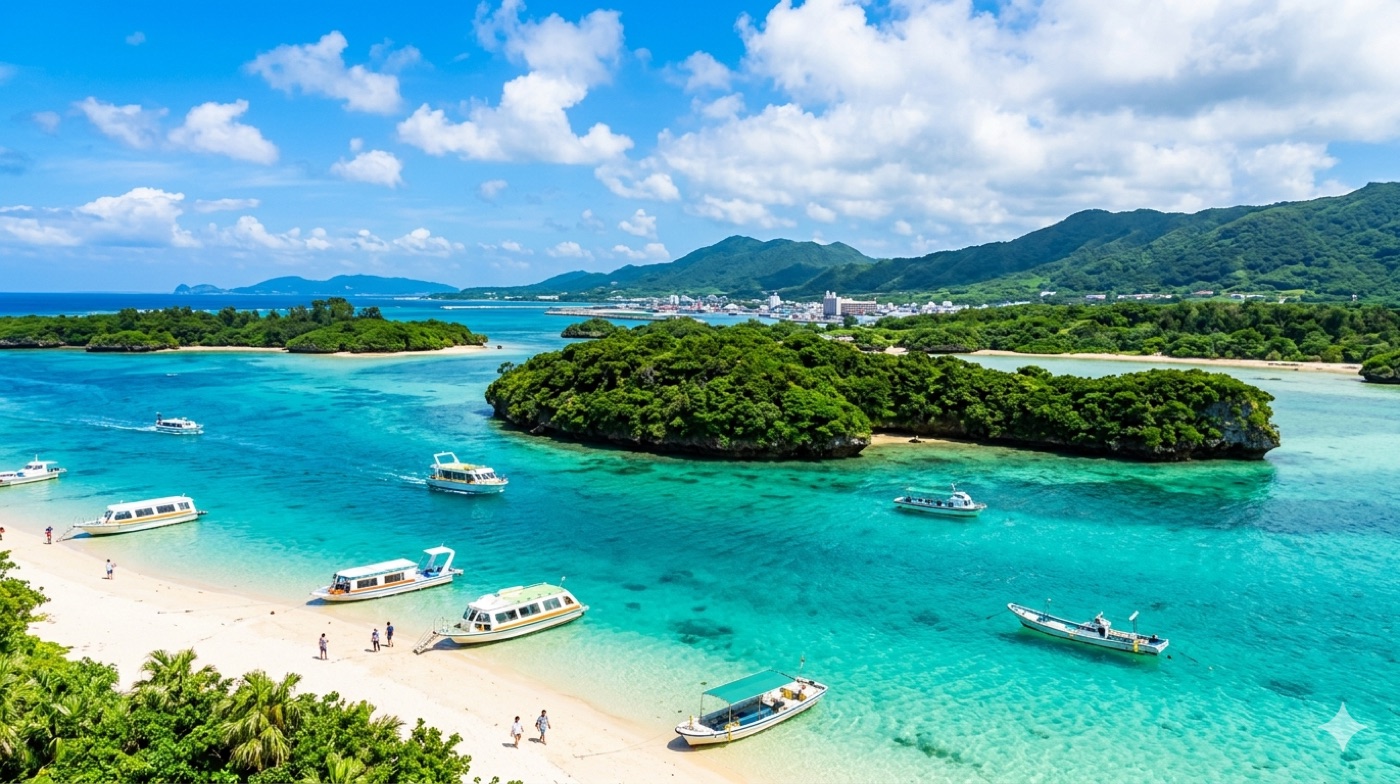
The turquoise Kabira Bay on Ishigaki with white sightseeing boats and small green islands
🐠

Ishigaki Island

One of Japan’s largest tropical islands, known for turquoise beaches and Kabira Bay (swimming and snorkelling inside the bay itself are prohibited due to black pearl cultivation — it’s viewed from glass-bottom boats; the manta ray dive sites lie in the open sea nearby). The main base for trips through the wider Yaeyama archipelago — most visitors fly in from Okinawa.

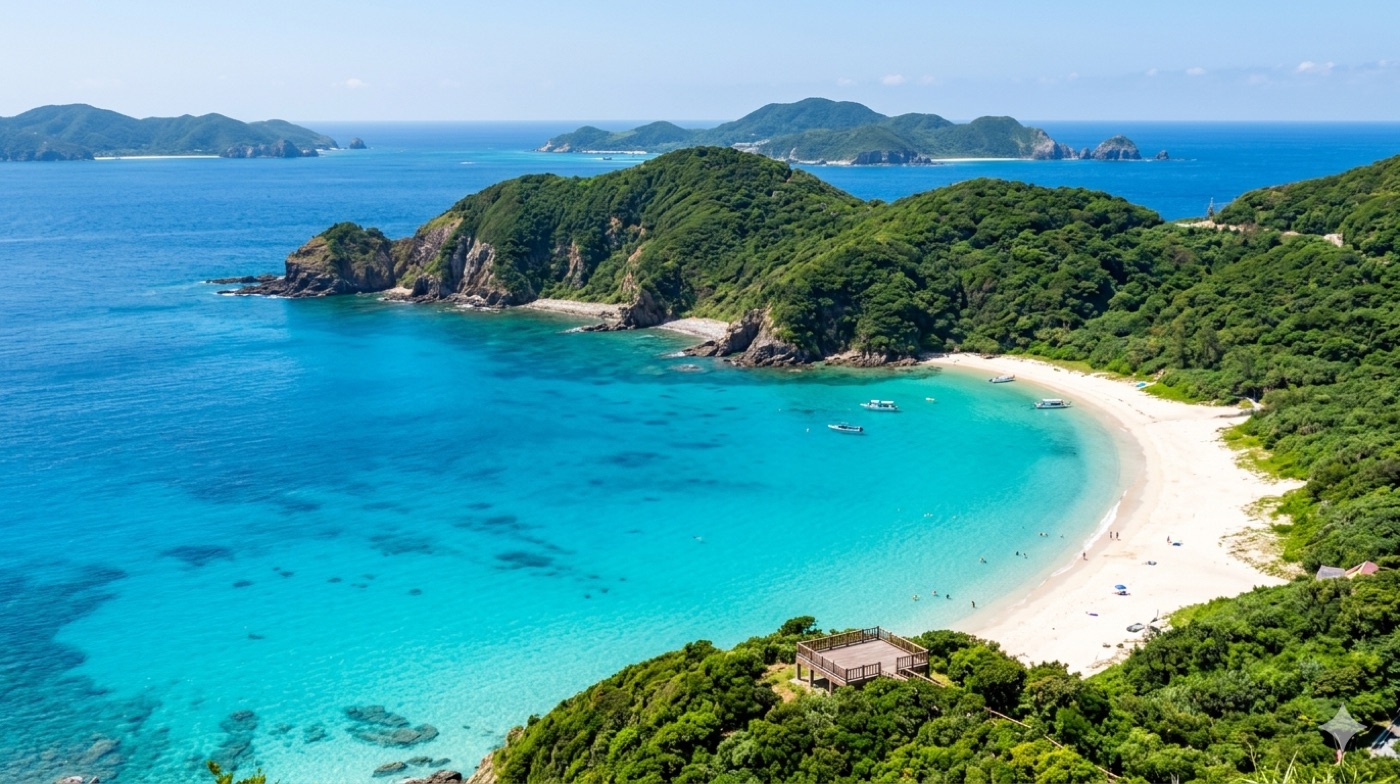
The turquoise Aharen beach on Tokashiki Island with white sand and green mountains
🏝

Tokashiki Island

An island in the Kerama archipelago, about 35–40 km from Okinawa. Clear water, coral reefs, snorkelling and sea turtles at Aharen beach. Getting there: ferry from Tomari port in Naha — fast boat ≈ 35–40 min, regular ferry ≈ 70–90 min. Book ahead; from the port to the beach take a bus or taxi (≈ 10–20 min).

🐢

Zamami Island

A small island in the Kerama group near Okinawa. Crystal-clear “Kerama Blue” water, coral beaches, snorkelling and a peaceful atmosphere without big crowds — sea turtles can often be spotted straight from the shore.

Okinawan food

  • fresh fish (tuna, salmon, seafood)
  • sea grapes (umibudō)
  • fish sets at markets and local restaurants

At the fish markets you can pick a fresh fish on the spot and have it cooked straight away. Very fresh seafood and a real local feel.

Getting around Okinawa

This is one of the places where travel becomes harder without a car. Public transport exists, but it’s not nearly as convenient as in Tokyo or Osaka: buses are slower and less frequent. Many beaches and viewpoints are hard to reach without your own car.

A calm, local city in the south. Less touristy than Tokyo or Osaka — and that’s exactly the appeal. A place for travellers who want to see a more “ordinary” Japan without the crowds.

Known for

  • Hakata ramen
  • yatai — evening street-food stalls
  • Ohori Park
  • Canal City

Logistics

Fukuoka often has cheaper flights — a great option for starting or ending your trip from the south.

Fukuoka is optional — a nice start or end point for the trip.

言葉13 · Japanese words

Useful phrases

A handful of words and phrases you’ll hear often in Japan. The basics plus a smile will get you further than perfect English ever could.

🙇‍♂️ Core phrases

  • こんにちはKonnichiwa – hello / good afternoon
  • ありがとうArigatō – thank you
  • すみませんSumimasen – excuse me · sorry
  • はい / いいえHai / Iie – yes / no
  • お願いしますOnegaishimasu – please (polite)

🎌 Common signs to recognise

  • 駅Eki – station
  • 出口Deguchi – exit
  • 入口Iriguchi – entrance
  • トイレToire – toilet
  • 現金Genkin – cash
日本
Wrapping up

Japan — a perfect balance

Japan is:

  • the perfect balance of tradition and future
  • comfort and safety
  • several different worlds in one country

For many people, it’s one of the best countries for a first major trip to Asia — gentle in how it welcomes you, and a place that lingers in your memory long afterwards.

Ready to go?

Let’s plan your trip to Japan

I’ll help you map out the route, book hotels and transport to match your pace and budget — without the chaos and guesswork.

Get in touchBack to all guides
Anhelina Chemerys

Travel expert with more than 9 years of experience. I design thoughtful, stress-free trips that stay with you long after you return.

Navigation

  • About
  • Services
  • Destinations
  • Guides
  • Contact

Popular countries

  • Turkey
  • Egypt
  • Spain
  • Thailand
© 2026 Anhelina Chemerys. All rights reserved.
Privacy policyTerms of use